Retail technology in 2026: Here’s what to expect
Retail technology has evolved rapidly over the past few years, driven by the rise of new solutions, advances in artificial intelligence, and shifting shopping behaviors. As we step into 2026, retailers are balancing higher expectations for convenience with growing pressure to improve efficiency, reduce shrinkage, and make smarter use of data across the store.
So what can we expect in the year ahead? From more intelligent self-service and personalization to stronger loss-prevention tools and tighter integration between hardware, software, and operations, 2026 is set to be another year where technology moves from “nice to have” to business-critical. Let’s take a closer look at the trends shaping the year to come.
Changing retail standards
As technology advances, the possibilities in retail tech continue to expand. And even if major shifts take time, they eventually become unavoidable. One such event is the switch from 1D to 2D barcodes. The deadline for the GS1 initiative Sunrise 2027 comes closer, bringing new challenges and opportunities for retailers. The switch from 1D to 2D barcodes might be a natural step for retailers, making it easier to store and read data through GS1 Digital Link, however it may require substantial investments in both hardware and software, not to mentions new ways of working throughout the supply chain.
“New policies and regulations will determine which self-scanning solutions are actually sustainable in the long-run – being able to adapt to these while still being capable of providing a good experience for both retailers and their customers is key.”, said Fredrik Englund, Managing Director at Datema Retail.
How the transition to 2D scanning will unfold is still uncertain, but many manufacturers and retailers are already planning to make the switch in 2026. To stay ahead, it’s wise to have a clear plan for the rollout and implementation of the required hardware and software.

The shift towards 2D barcodes will bring plenty of opportunities for information, promotion and transparency.
AI-powered self-scanning
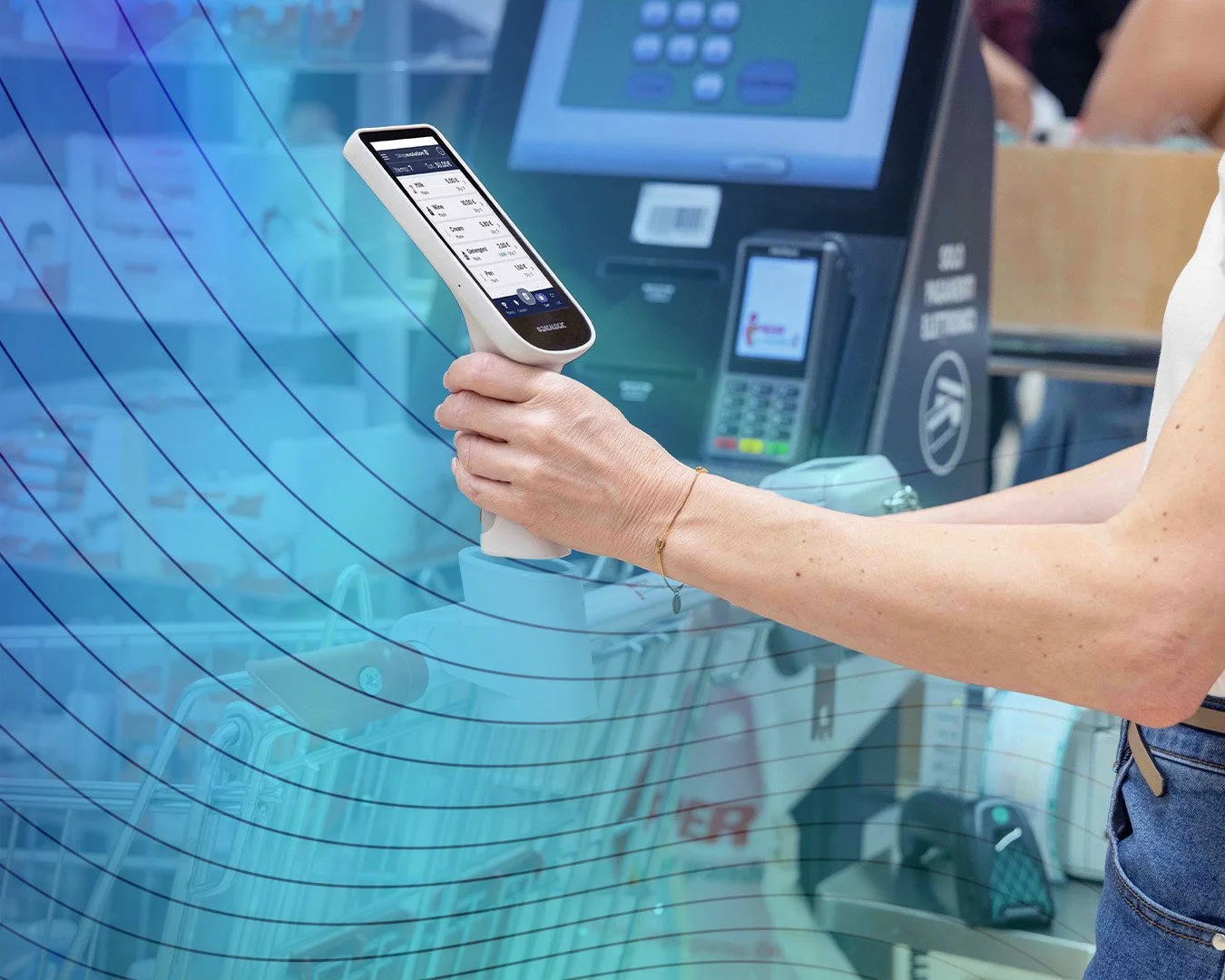
The race to create the smartest self-scanning device continues, with the newly revealed Joya Smart and Joya Smart+ devices currently leading the way in innovation. Because these devices are AI-powered, they have the potential to revolutionize how shoppers use self-scanning—through smarter functionality and improved control features for retailers.
This AI focus is also relevant for self-scanning software providers. Those who fail to integrate their solutions with relevant AI-driven systems may find their offerings becoming less attractive to retailers. With a growing range of AI-enabled services available—such as AI-powered scales for product recognition—we can expect more smart features to roll out in 2026.

Learn more about what AI can be used for in grocery retail here
Growth potential in emerging markets
Not all markets are the same in terms of technological maturity; furthermore, cultural differences and differing shopping patterns can greatly affect how and when self-scanning is the suitable alternative. Large markets such as the U.S. have not yet adopted self-scanning with the same enthusiasm as retailers in Europe—will this change in the coming years?
As there are many differences between the U.S. and the European market, the prospects of self-scanning adoption in 2026 are difficult to determine. However, adjacent retail solutions such as self-checkout seem to have a bright future ahead. According to Future Market Insights, the demand for self-checkout systems in the U.S. “is valued at USD 1.5 billion in 2025 and is forecasted to reach USD 3.7 billion by 2035.” Also other markets, such as Japan, are predicted to grow in the self-checkout section.
As for the difference between self-checkout and self-scanning, it is common for self-checkout to be the first self-service technology introduced in a new market. However, self-scanning usually follows quickly, as there are different benefits associated with this type of solution.

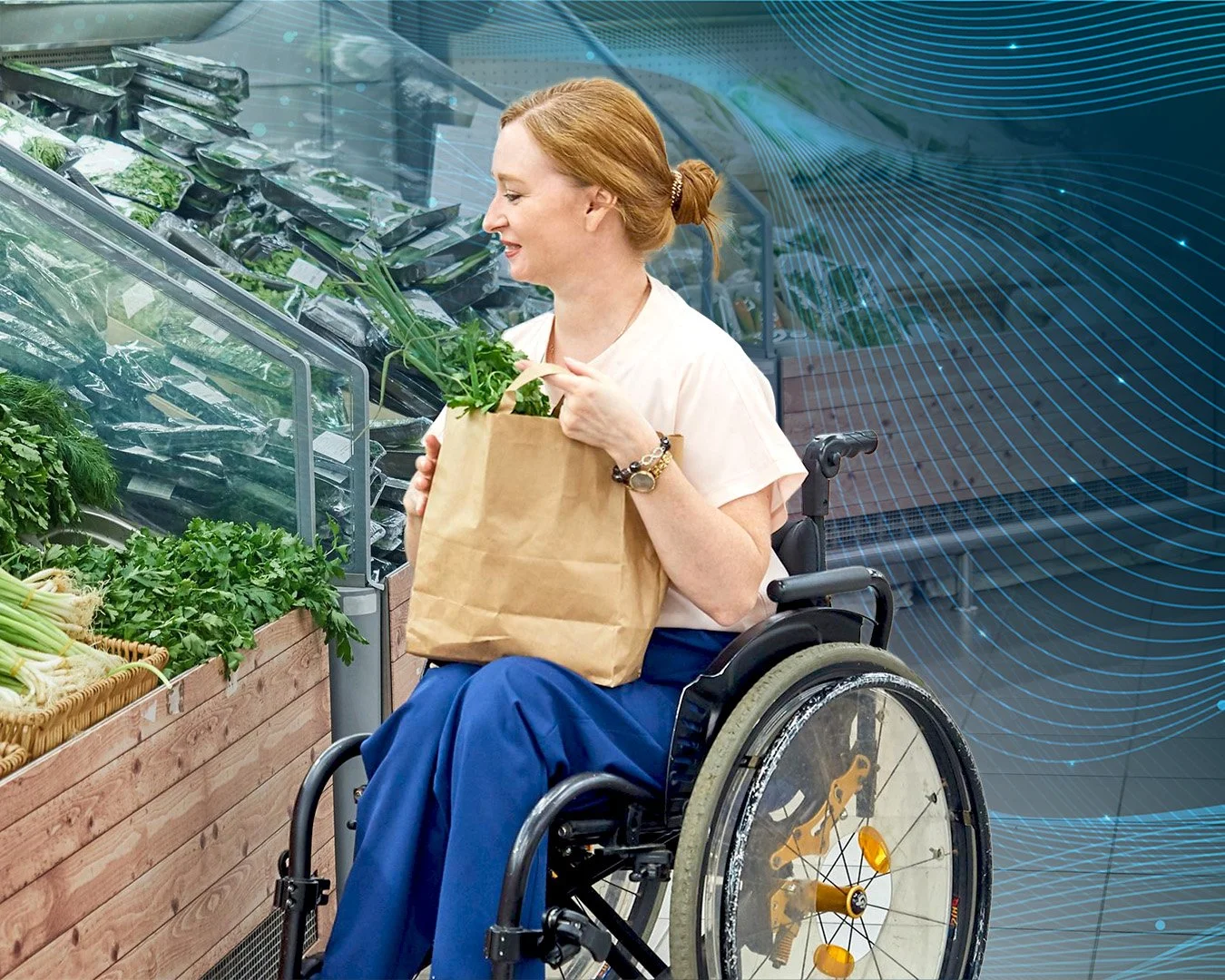
More markets are reaching technological maturity - a great moment to introduce self-service solutions.
Younger generations—new shopping habits
With most members of Generation Z now adults—earning and spending their own money—their shopping behavior and purchasing patterns will continue to shape the retail landscape. Gen Z’s preference for frictionless shopping, along with a strong focus on sustainability, are factors retailers will need to take into account.
This presents both challenges and opportunities for retailers: how can they introduce new products, features, and concepts that appeal to a growing younger customer base without alienating older shoppers? And should retailers already begin preparing for the next cohort—Generation Alpha—who are digital natives despite their young age?

Different generations come with different shopping habits—and retailers must appeal to them all.
Will a recession trigger an increase in shrinkage?
As reported by multiple sources, a recent LendingTree survey delivered troubling news: more shoppers admit to stealing when using self-checkout. Could this be an effect of rising grocery prices and reduced disposable income?
The issue is more complex than that. While shrinkage remains a top priority for retailers offering any type of self-service solution, it isn’t necessarily tied to a potential recession. The findings also provided demographic insights: higher-income shoppers reported stealing more often than less affluent shoppers, suggesting the shrinkage challenge is more nuanced than one might expect.
Looking ahead to 2026, there will no doubt be new ways for dishonest visitors to try to leave with products without paying—which is why retailers must continue to stay on top of shrinkage. Fortunately, new features and tools are continuously being introduced, giving store teams more effective ways to maintain control.

Shrinkage can look very different - and retailers must be ready for all types of attempts of theft.
Can e-commerce drive self-scanning in stores?
The business research company recently published a report on the topic. According to the report, self-scanning solutions “…enhance the e-commerce sector by blending physical store and online shopping experiences, improving the management of inventory, gathering client data, simplifying click-and-collect services, and heightening customer engagement and satisfaction”.
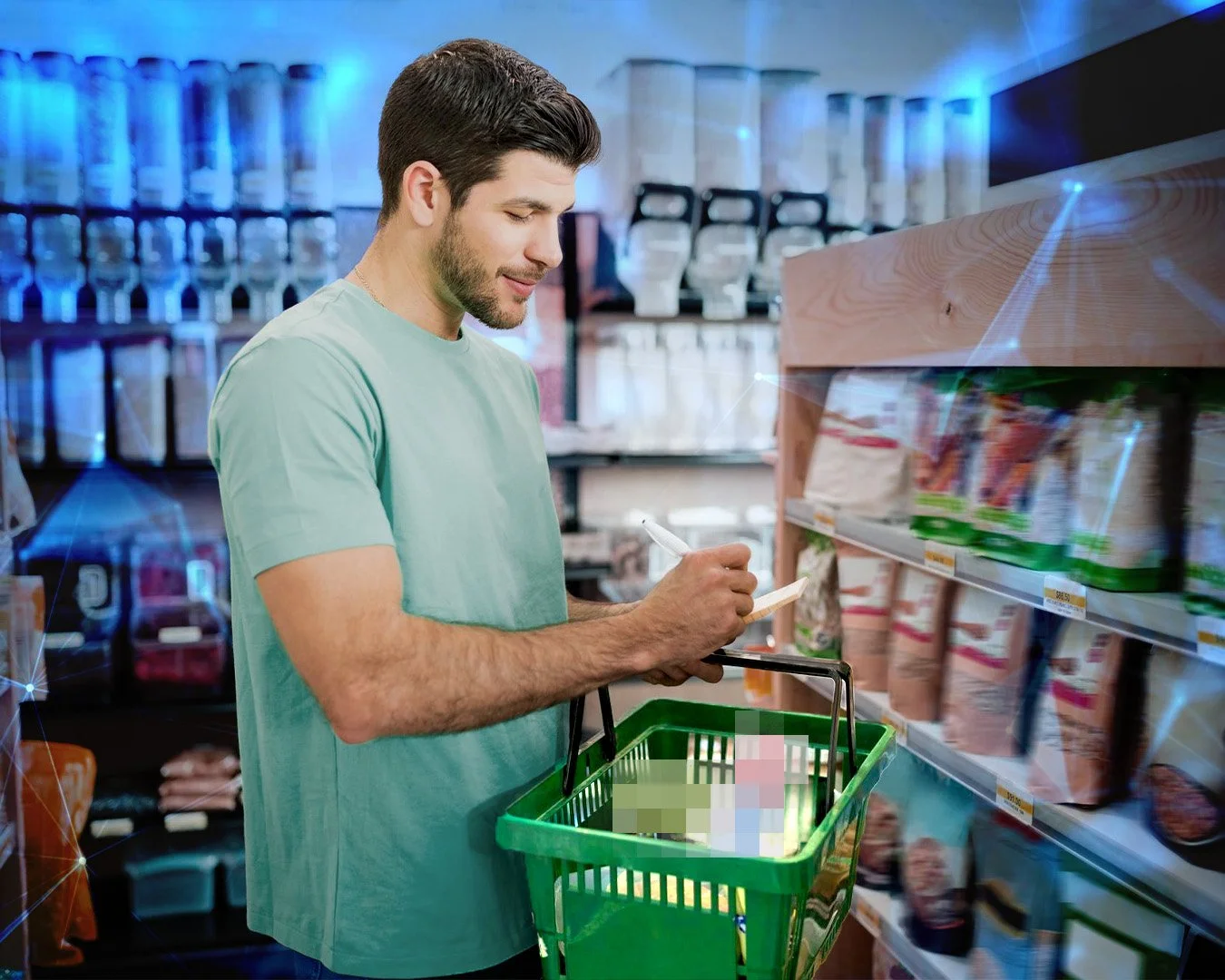
It would seem that those who predicted that the omni-channel experience would remain an increasingly important factor for retailers and their customers were, in fact, correct. As the integrations and shared functionality between online shopping and brick-and-mortar stores continue to be a vital part of the overall customer experience, related technology—such as self-scanning—can be integrated into the retail technology ecosystem. This is already evident, as shoppers have the option to create digital shopping lists that are visible on the self-scanning device, provided that the retailer has made the necessary integrations within their CRM systems.

Combining digital and physical shopping is a great step towards frictionless shopping.
Want to learn more about how to optimize your store to stand the test of time? Get in touch with us.
More retail insights