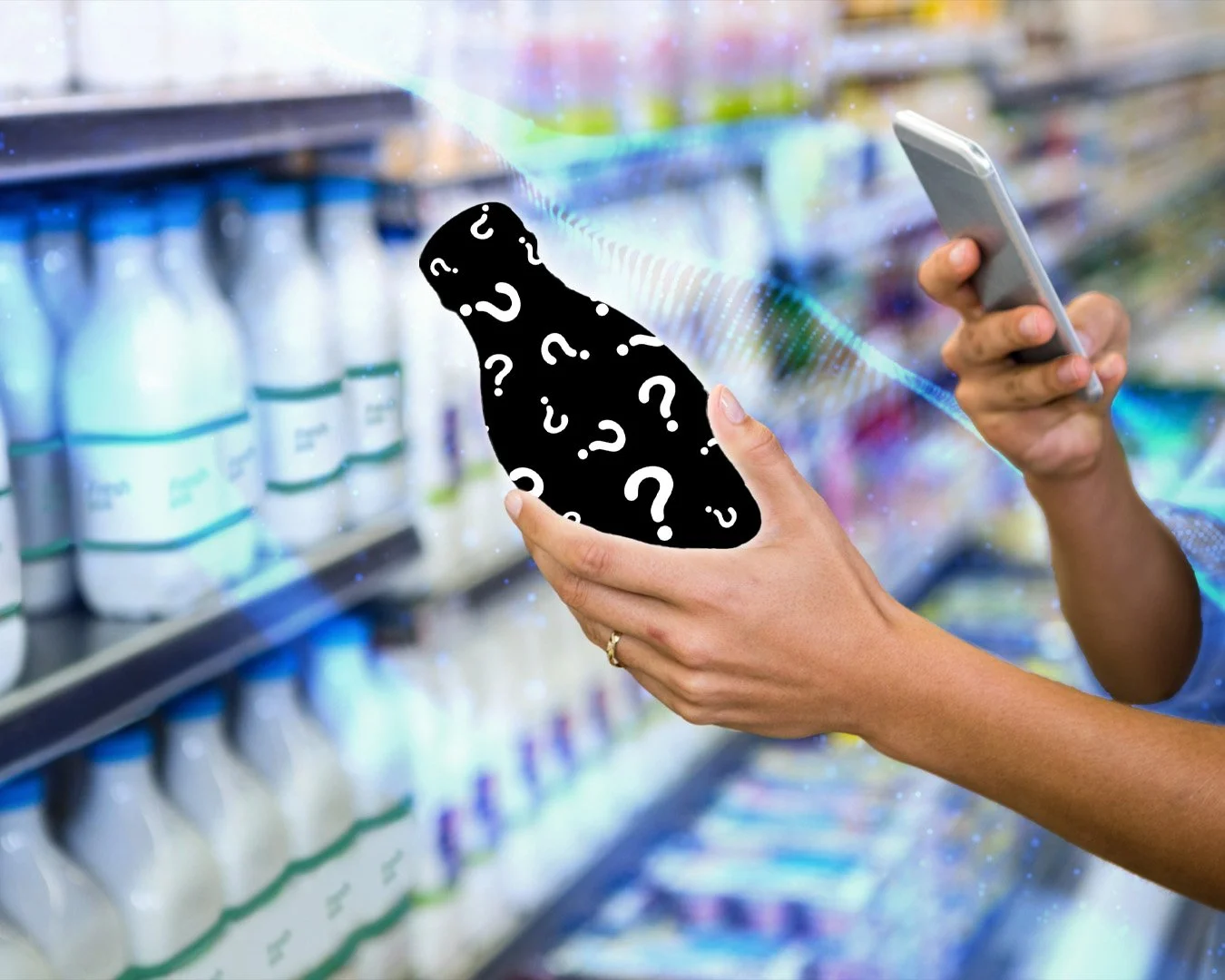
New technologies and retail solutions sometimes also bring new opportunities for dishonest behaviour. One of the most talked-about trends in retail shrinkage today is barcode switching. While this form of shrinkage is gaining attention, there are effective ways to prevent it. Learn more below.
The shift towards autonomous shopping
Self-service options are more popular than ever. Whether items are registered throughout the shopping journey or at a designated checkout area, shoppers seem to appreciate the autonomy these solutions provide. There are also clear benefits for retailers: the ability to free up store space, reallocate staff resources, and create more efficient checkout setups are just a few of the potential advantages.
New solutions are introduced each year, whether entirely new ways of shopping or improved versions of existing self-service concepts. These innovations continue to challenge traditional shopping norms in the pursuit of a more seamless customer experience.
However, the growing variety of self-service options can also create uncertainty among retailers. How do you choose the solution that best fits your store’s needs? How will customers respond? And, of course, there is the constant challenge of shrinkage.
Shrinkage within self-service
Providing people with more autonomy also comes with the risk of misuse. This is also the case with self-service options, whether it is self-checkout, self-shopping, or some other solution. One of the main concerns retailers have when implementing any type of self-service is the risk of increased levels of shrinkage.
Shrinkage comes in various forms. It can be caused by internal or external factors, and by accidental or intentional actions (learn more about shrinkage here). Regardless of the cause, retailers are keen to reduce shrinkage levels, which can result in some initial hesitation toward more autonomous shopping alternatives.
It is true that self-service alternatives can increase the level of shrinkage—at least in the sense that they may provide shoplifters and other criminals with more opportunities to steal. However, by recognizing different behaviours, it is possible to implement appropriate security measures and keep shrinkage low—sometimes even lower than before. But more on that later.
One of the more recent fraudulent methods of causing shrinkage is barcode switching.
What is barcode switching?
Barcode switching, sometimes referred to as tag swapping, means scanning a cheaper item instead of the actual one. For example, scanning a package of ham while placing a piece of veal in the shopping cart can quickly create a significant price difference—for both the shopper and the retailer.
Barcode switching can also involve bringing a different barcode to the self-checkout and scanning that instead. By providing incorrect information to the barcode reader, the individual pays less than they should, while the retailer effectively “sells” an item at a lower price than intended. In addition, inventory records become inaccurate, leading to issues with stock levels and supply chain management.
One could argue that barcode switching is similar to skip-scanning, where items are intentionally not registered by the shopper. The outcome is the same: the individual acts as a customer but does not pay the correct amount.
Barcode switching is still a relatively new issue, and not all retail solution providers have solutions for it. This raises an important question: how can retailers detect this behaviour without checking every item?
How to prevent barcode switching?
Fortunately, there are several effective ways to address barcode switching and keep shrinkage low—even while offering customers greater autonomy. Here are some of the most efficient methods for preventing barcode switching.
Prevent barcode switching with trigger-based algorithms
Algorithms designed to detect and flag suspicious behaviour are among the most effective tools for combating barcode switching. Built on years of retail experience, these systems combine known risk triggers with insights into store-specific customer behaviour to identify actions that deviate from the norm.
Solutions like EasyShop can apply multiple levels of control, ensuring that staff are alerted only when necessary. This allows trusted shoppers to move through the process smoothly, while closer attention is given to individuals who exhibit patterns associated with barcode switching.
Artificial Intelligence to tackle barcode switching
AI can be highly effective in detecting suspicious shopping behaviour. One example is the use of visual AI: combining one or more cameras with AI-powered software to identify irregular or potentially fraudulent actions.
While this may sound futuristic, such solutions are already being introduced. For example, newer self-scanning devices like Joya Smart incorporate visual AI to help verify that the correct items are placed in the shopping cart, reducing the risk of barcode switching, skip-scanning, and similar behaviours.
AI can also be used to track suspicious customer behaviour over time, helping retailers identify patterns and better understand the root causes of shrinkage.
Sound cues against barcode switching
Sometimes less is more—and surprisingly effective results can come from small measures. By enabling sound cues, triggered when an item is scanned or removed, shoppers may be less inclined to scan incorrect items. Because the sound can be heard by others nearby, it creates a sense of being observed, even when no one is actively monitoring the situation. This can encourage individuals to act more honestly.
A similar feature is the use of mirrors at self-checkout stations. These can also encourage customers to behave appropriately and are a relatively cost-efficient way to help reduce shrinkage.
By combining the right technology with retail expertise, shrinkage can be kept to a minimum—regardless of whether it’s caused by barcode switching, skip-scanning, or other behaviours. Working with an experienced retail partner helps avoid common pitfalls and ensures you get it right from the start.
More retail insights