Retail data capture: Maximize the benefits of consumer data
Data capture has never been more important – or more attainable. Thanks to new retail technologies it is possible to get an even better picture of who the shoppers is – and provide a better retail experience based on these insights.
What is data capture in retail?
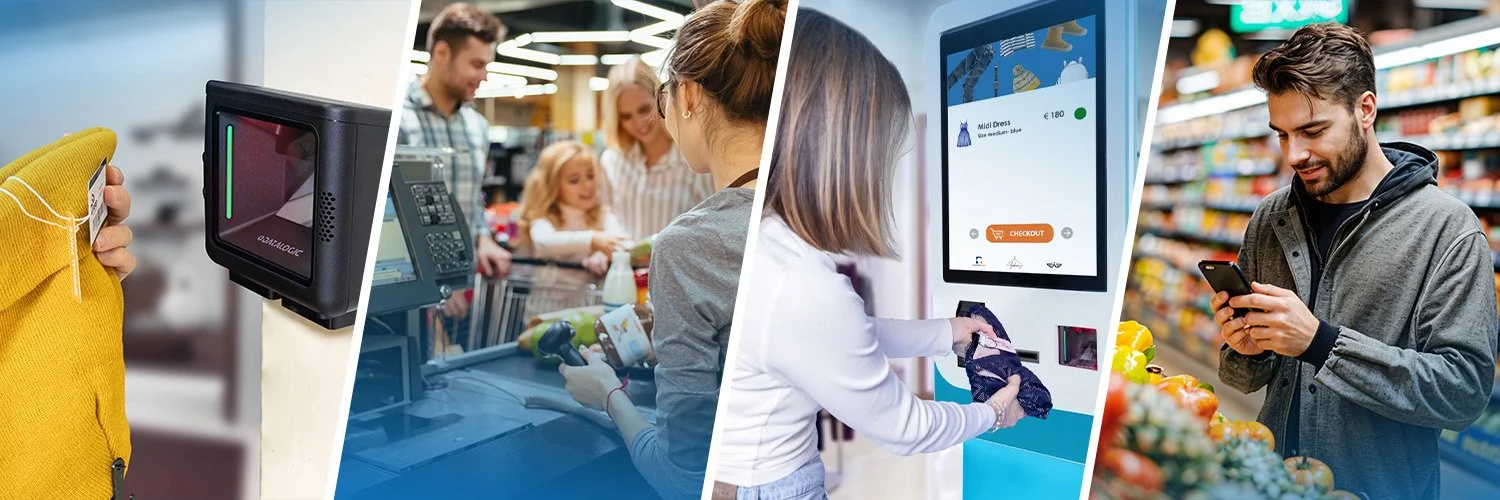
Retail data capture is the practice of gathering information on customer behaviour, sales, and inventory. This is done using tools such as
POS systems, for example the system in place at the cash register
Barcode/RFID scanners, such as fixed retail scanners or self-scanning devices
Loyalty programs, where shoppers are members with the store chain
Digital interactions, looking up products online, online purchases
The goal is to turn this data into insights that support smarter decisions, more personalized marketing, and more efficient operations—shifting from manual input to automated, real-time data flows.
By consolidating information from multiple touchpoints, it creates a more complete view of the shopper, enabling better experiences and improved profitability. This is also called Retail Data Analysis.
Benefits of retail data capture
Because data capture is a broad concept, implementing an efficient data capture system can positively impact multiple areas of a retail store. In many cases, a store may use several data capture systems simultaneously, each serving a specific purpose or function. Some of the most significant benefits of retail data capture include:
Personalized marketing and recommendations
By gaining insights into customer behavior—such as spending habits, brand preferences, and purchase history—retailers can offer more relevant product suggestions. Instead of promoting the same products or offers to every customer, retailers can tailor recommendations to individual consumers, creating a more personalized and engaging shopping experience. Research shows that more than 71% of shoppers expect personalized interactions - a good incentive to collect and utilise data.
Optimized inventory and stock levels
Access to real-time data allows retailers to quickly adjust stock levels and prevent shortages. Data capture makes it possible to forecast inventory needs, identify which products require replenishment, and determine when items are likely to run out. Achieving this requires efficient hardware and software; retail data capture systems are often mistaken for traditional WMS solutions, even though they do not necessarily share the same capabilities.
Improved decision-making
Greater access to data enhances decision-making at all levels, from strategic management to day-to-day in-store operations. When there is a clear plan for how the data will be used, it can positively influence store layout, pricing strategies, and other operational decisions.
The focus in this article is the first benefit – concerning the ability enhance the retail experience for the shopper. Retail Data Analysis has great potential to gather large amounts of data, and utilise it in a way that benefits both the retailer and the customer.
The challenges with data capture
Naturally, there are some challenges that retailers needs to overcome when starting to collect data. One of the most sensitive topics is the collection and usage of customer data – where retailers have to navigate GDPR and other regulaitons in order to ensure that the shoppers have given consent to the data being collected. While recent studies show that a majority of the shoppers want a personalized shopping experience – which is possible when the retailer has data about the shopper – it is vital that the process of data collection is compliant with current laws and regulations.
Another re-occuring challenge is how to protect the data from hackers and other malevolent parties – the more data a retailer collects, the trickier it can get to keep the data safe.
How to collect shopper data in retail
There are several ways to gather data about a store’s customers, all of which contribute to a more complete picture of who the shoppers are and help retailers better understand their shopping behavior.
Digital touchpoints
Loyalty programs
Loyalty programs, where shoppers sign up for a rewarding membership, are a common way to track customer activity such as basket size, purchase history, and product preferences. Many retailers use these systems to monitor shopping habits while also rewarding customers who remain loyal over time.
Website activity
Search history and website browsing behavior can indicate what interests shoppers. In addition, digital advertising—such as social media campaigns—can be targeted at specific demographics and later analyzed through website activity. This makes it a powerful tool for engaging both new and existing customers.
Mobile applications
By using a retailer’s mobile app, shoppers provide data related to usage patterns, in-app behavior, and location (if enabled). When the app is connected to a CRM or loyalty program, all data is consolidated in one place, making it easier to identify preferences and behavioral trends.
Account creation & login
Account creation through loyalty programs makes it easier to understand the preferences of specific demographic groups. This insight is valuable not only for personalizing the experience for individual shoppers, but also for identifying broader purchasing patterns across different customer segments. Retailers gain access to demographic data, preferences, and other valuable information.
Digital marketing & communication initiatives
As mentioned earlier, social media advertising is an effective way to gain insights into targeted demographics. Other digital marketing initiatives—such as email marketing, SMS and push notifications, and retargeting campaigns through SEM—also contribute valuable engagement and behavioral data. Together, these channels help create a more comprehensive customer profile.
Customer support
Live chats with customer service, chatbot interactions, and other support channels can reveal a great deal about shoppers. These touchpoints help identify common questions, recurring pain points, and customer issues that may impact satisfaction and loyalty.
Physical touchpoints
Point of sale & checkout
The point of sale—whether a traditional checkout or a self-checkout station—is a key source of data on basket size, order value, and transaction details. It also provides insight into basket composition, showing which products are purchased together. This data can later be used to generate relevant product recommendations and targeted offers for future store visits.
Loyalty programs
In physical stores, loyalty programs are essential for linking purchases to individual customers. Since the retailer already has some knowledge of the shopper, identifying repeat purchases and shopping frequency becomes much easier and more valuable for retail analysis.
In-store technology
Over the past decade, in-store technology has evolved significantly. Innovations such as smart shelves, electronic shelf labels, and in-store kiosks are now more common than ever. Many of these technologies enable data collection—not necessarily tied to specific individuals, but related to factors such as time spent, search queries, and price changes. This information can provide valuable insight into how the shopping experience is perceived.
These technologies are often complemented by sensors and analytics tools used to track customer flow within the store. Monitoring shopper behavior, even during peak hours, is a valuable way to optimize store layout and improve the placement of promotional items.
Retail data capture with self-scanning
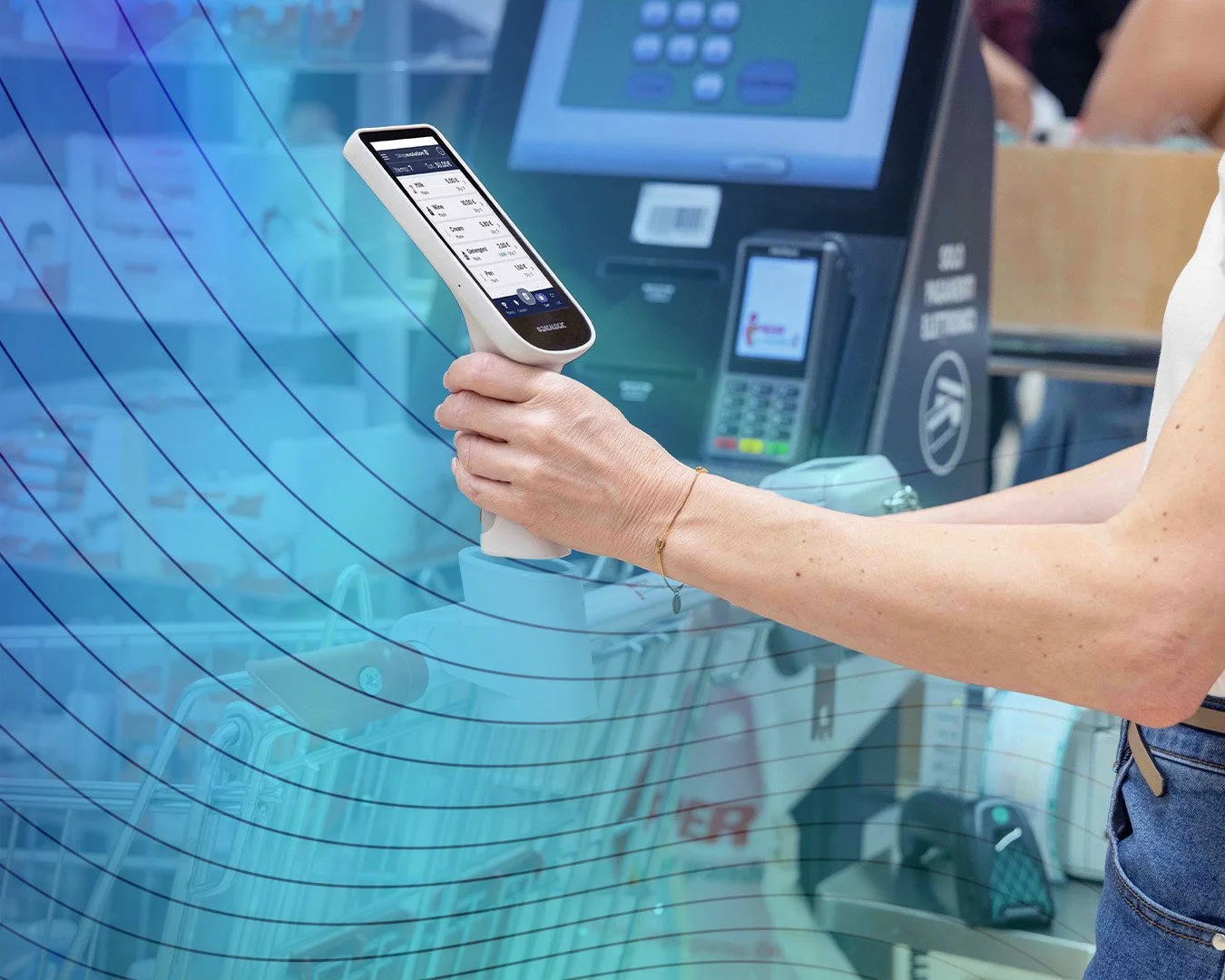
Self-scanning is an effective way for retailers to bridge digital and physical retail, while simultaneously gaining deeper insights into the in-store shopping experience. By allowing shoppers to scan products as they move through the store, retailers can capture valuable, real-time data that goes beyond traditional point-of-sale transactions.
In many cases, shoppers are required to log in using their loyalty or membership credentials. This enables retailers to identify who is using the self-scanning feature, while shoppers gain access to benefits such as shopping lists, personalized discounts, tailored offers, and other value-added functionality. The login process also helps connect in-store behavior to existing customer profiles, creating a more unified view of the shopper.
Because items are scanned throughout the entire shopping journey—not only at checkout—retailers can collect more granular data on when and where products are picked up. This makes it possible to better understand how shoppers move through the store, how long they spend in different areas, and how the shopping trip actually unfolds in practice. These insights can be used to optimize store layout, product placement, promotions, and the overall customer experience..
More retail insights