Digital signage in retail: The right message, on the right screen
Digital signage is transforming retail, but does every screen serve a purpose? Discover how the right mix of screens, self-scanning and smart technology can create a better shopping experience.
Digital signage has become an increasingly common sight in retail stores in recent years. Improvements in screen technology, including better energy efficiency and higher resolutions, have made digital signage an attractive alternative to traditional printed signs. As a result, retailers across different markets are increasingly embracing digital solutions.
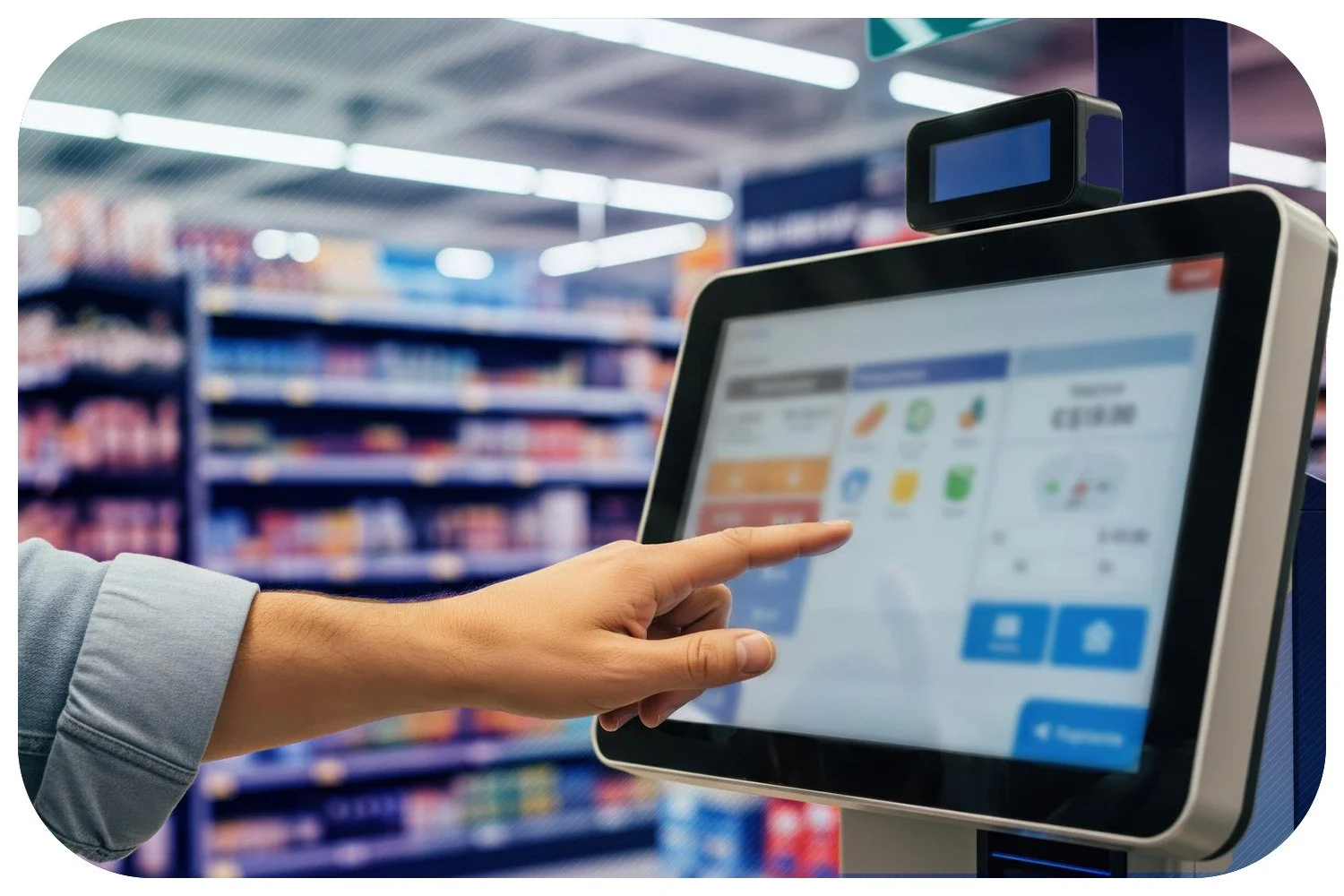
The ability to update messages instantly and display multiple promotions on a single screen has made digital signage an important part of the modern retail environment. For retailers looking to stay at the forefront of retail technology, the benefits are clear. But does every message need a digital screen? And are we always using the right screen for the right purpose?
Digital screens serve many different functions, and each touchpoint should be carefully considered before installing new signage, whether digital or traditional. Factors such as screen size, placement, content and purpose all play a role in creating a pleasant and engaging shopping experience. Rather than simply adding more screens, retailers should consider how different types of displays can complement each other throughout the customer journey.
Different types of digital displays
Large digital signage: There to inspire
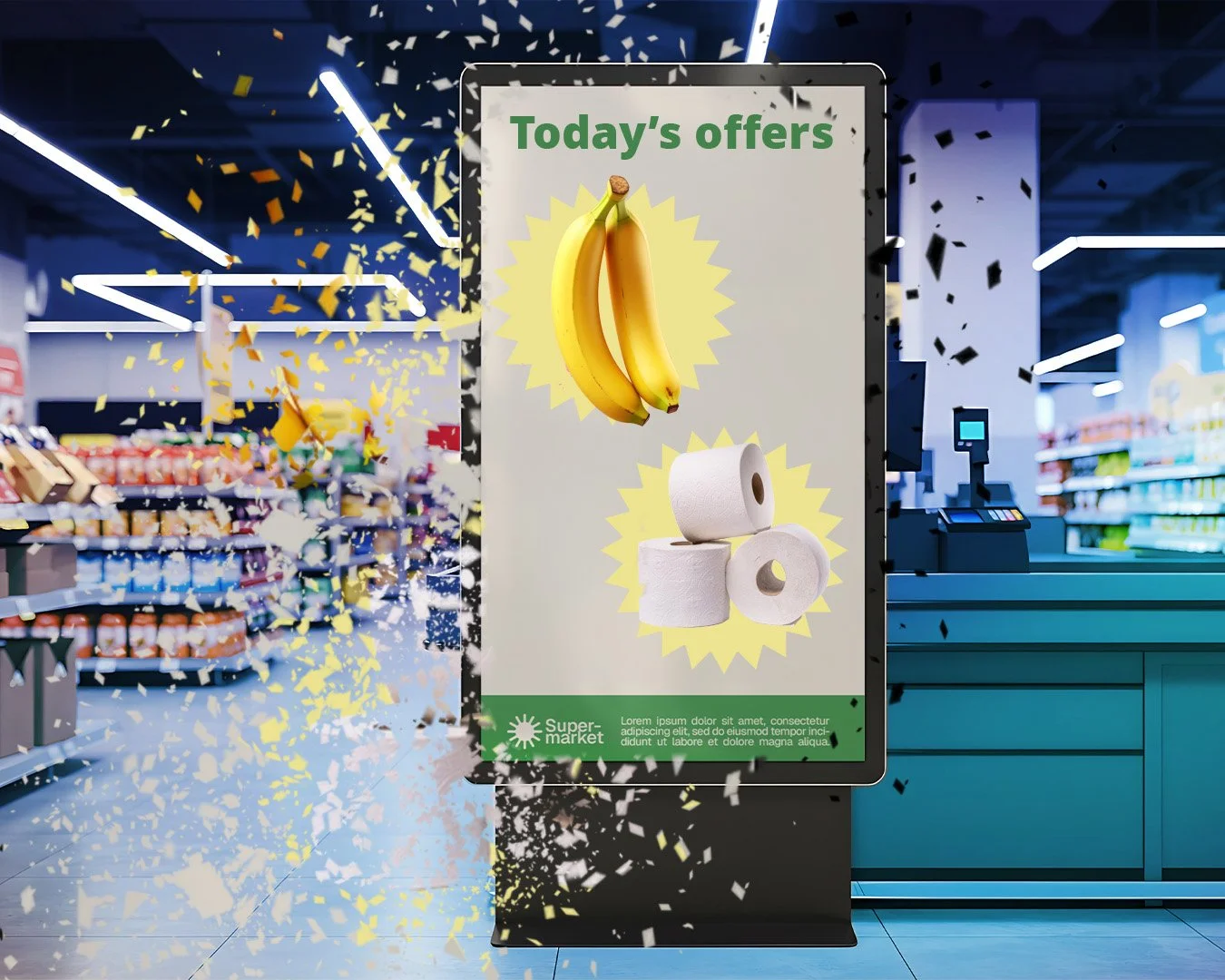
Large digital screens are ideal for sharing store-wide news, promoting major campaigns and creating a particular atmosphere. Strategically placed, for example at the store entrance, they can be an effective way to communicate a message to a broad audience.
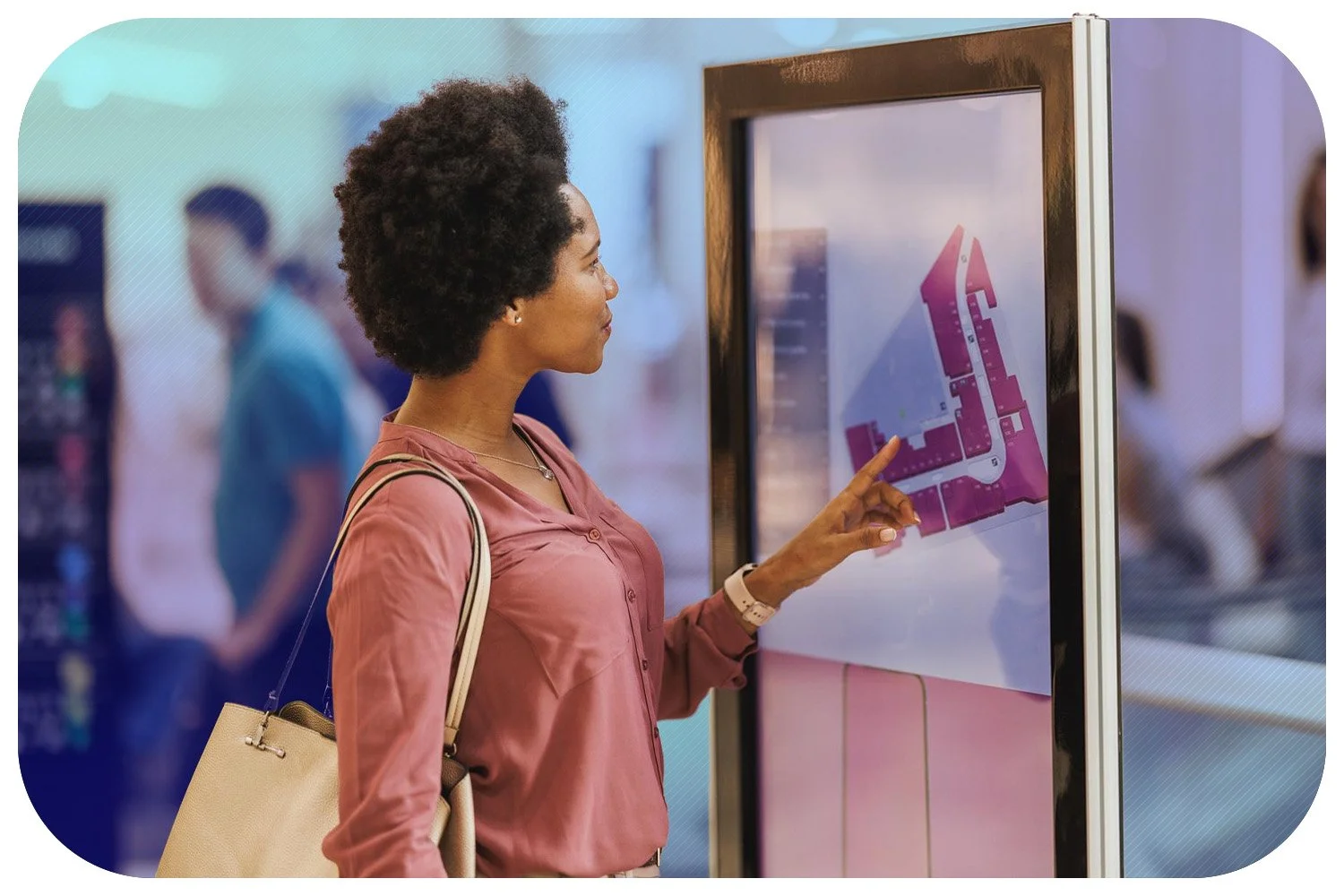
Their greatest strength is visibility. Large screens naturally attract attention, making them particularly suitable for messages intended for everyone rather than individual shoppers. However, their size and visibility also mean that the content needs to be carefully selected. A large screen should inspire or inform without overwhelming shoppers with too many competing messages.
Typical uses for large digital signage: Promoting seasonal campaigns, displaying interactive store maps, highlighting new product ranges and communicating important store information.
Mid-sized digital signage: Handy when needed
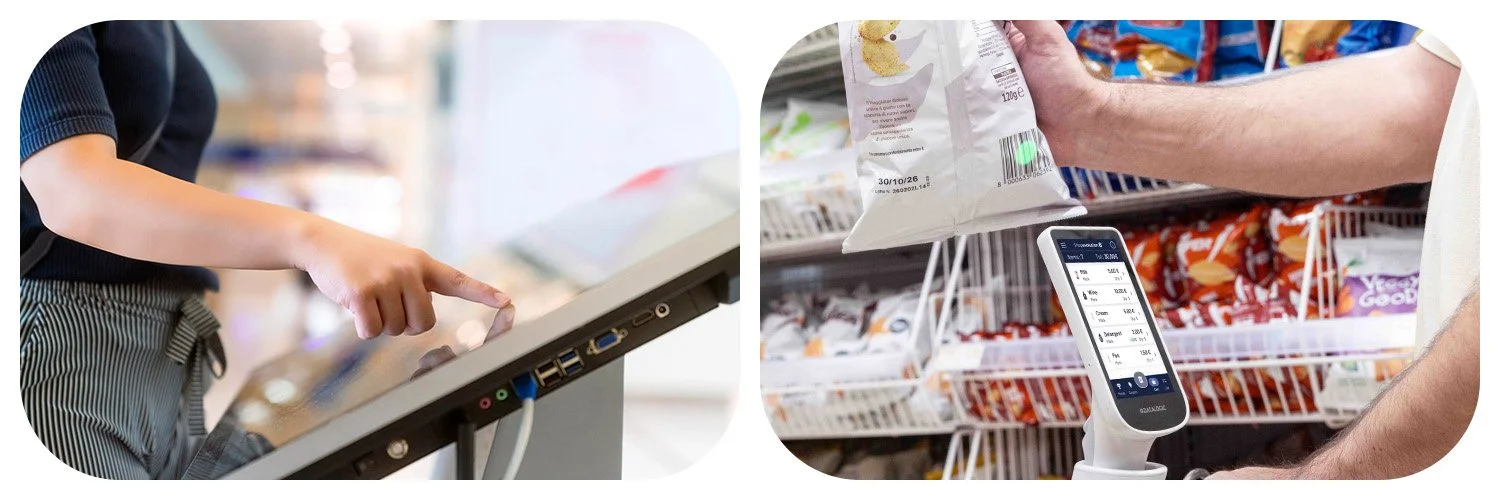
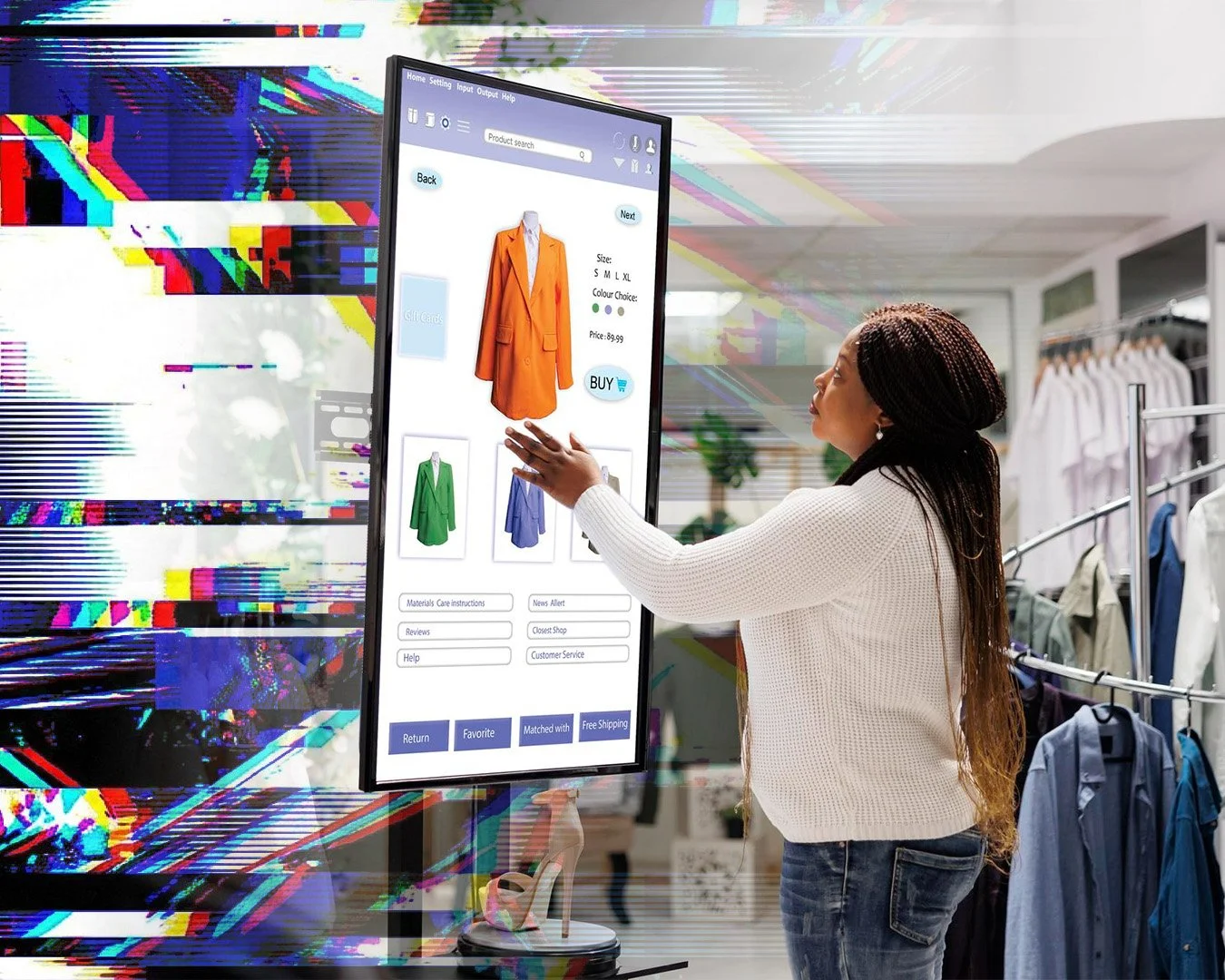
Not every message needs to be broadcast across the entire store. Mid-sized digital signage allows retailers to communicate more targeted information, often based on the products, services or activities in a particular area. For example, a screen positioned near a self-scanning device station could guide shoppers through getting started, explain how to unlock a device or provide additional support when needed.
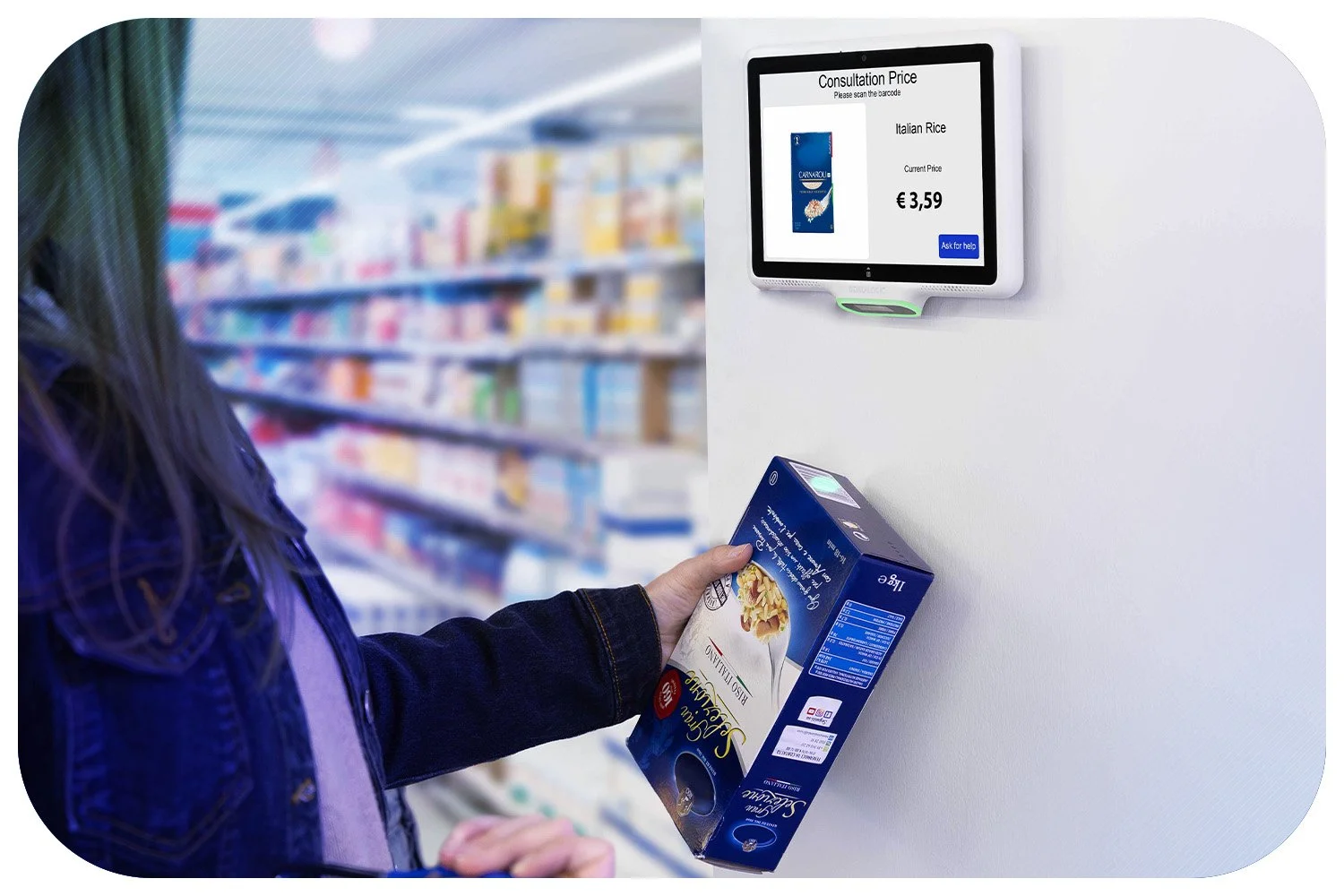
Another practical application is price verification. A conveniently located screen can allow shoppers to scan an item and confirm its price before making a purchase, removing uncertainty and helping them shop with confidence. These screens don't necessarily need to compete for attention. Sometimes, their greatest value comes from simply being available when the shopper needs them.
Typical uses for mid-sized digital signage: Providing self-scanning instructions, supporting price verification, highlighting category-specific promotions and sharing information relevant to a particular store area.
Shelf-level displays: Providing essential information
Moving closer to the products themselves, shelf-level displays offer another opportunity to communicate with shoppers at the point of purchase.
These displays can take several forms. A slim, elongated screen positioned along a shelf can highlight a particular product category, introduce new items or draw attention to special promotions. It's an engaging way to bring digital communication directly to the shelf.
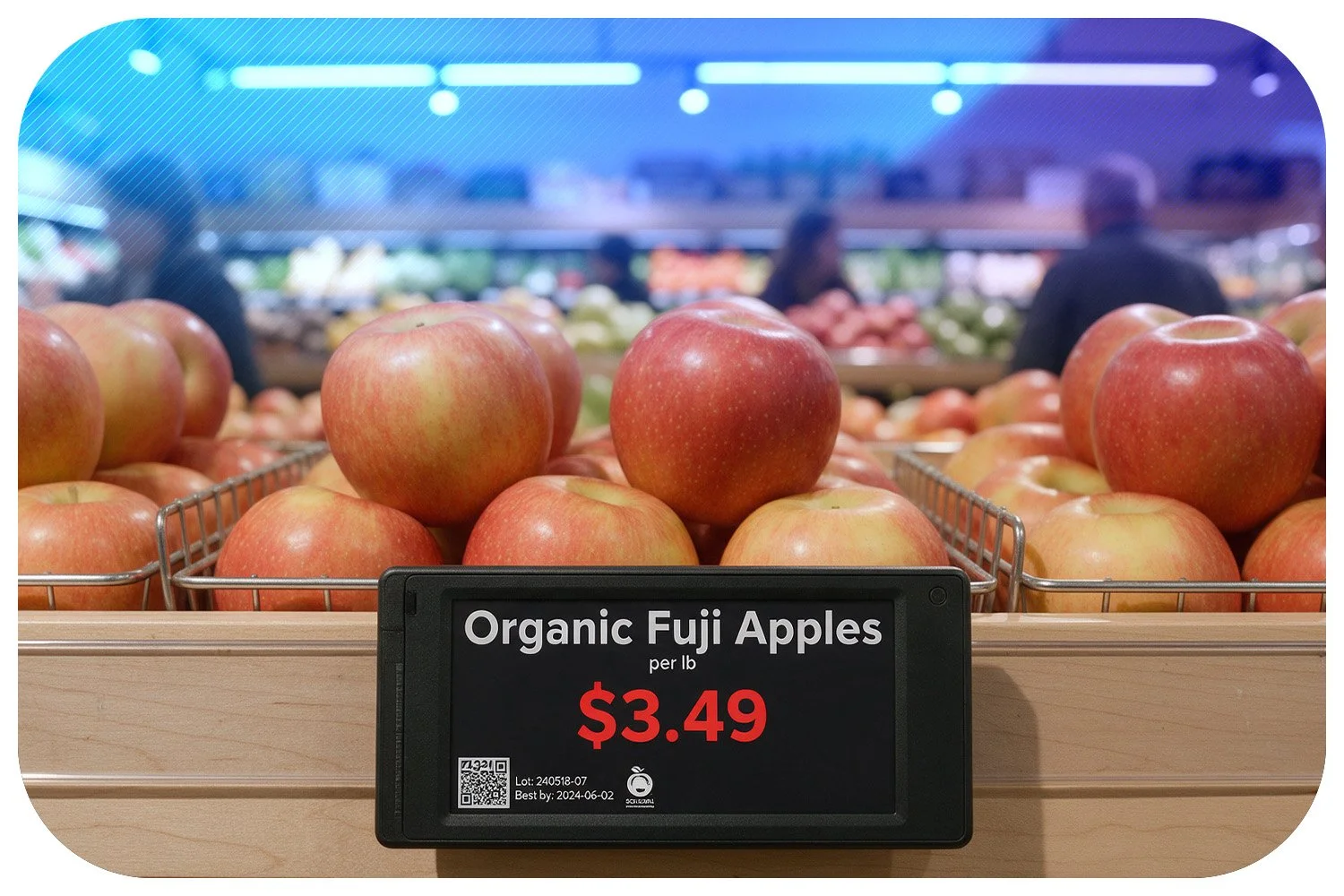
Another increasingly common solution is electronic shelf labels (ESLs), which replace traditional paper price tags with small digital displays showing prices, product details and other useful information.
Unlike conventional video screens, many electronic shelf labels use highly energy-efficient display technology and require power primarily when their content changes.
They also allow retailers to update prices and product information centrally, reducing the need for manual label replacements. The real value of shelf-level displays is their proximity to the purchasing decision. Instead of asking shoppers to look elsewhere for information, they provide it exactly where it's needed.
Typical uses for shelf-level displays: Displaying prices and product information, highlighting promotions, introducing new products and communicating price changes.
Self-scanning: A new level of support
When discussing digital signage, we often think of fixed screens positioned throughout the store. But what about the screen already in the shopper's hand?
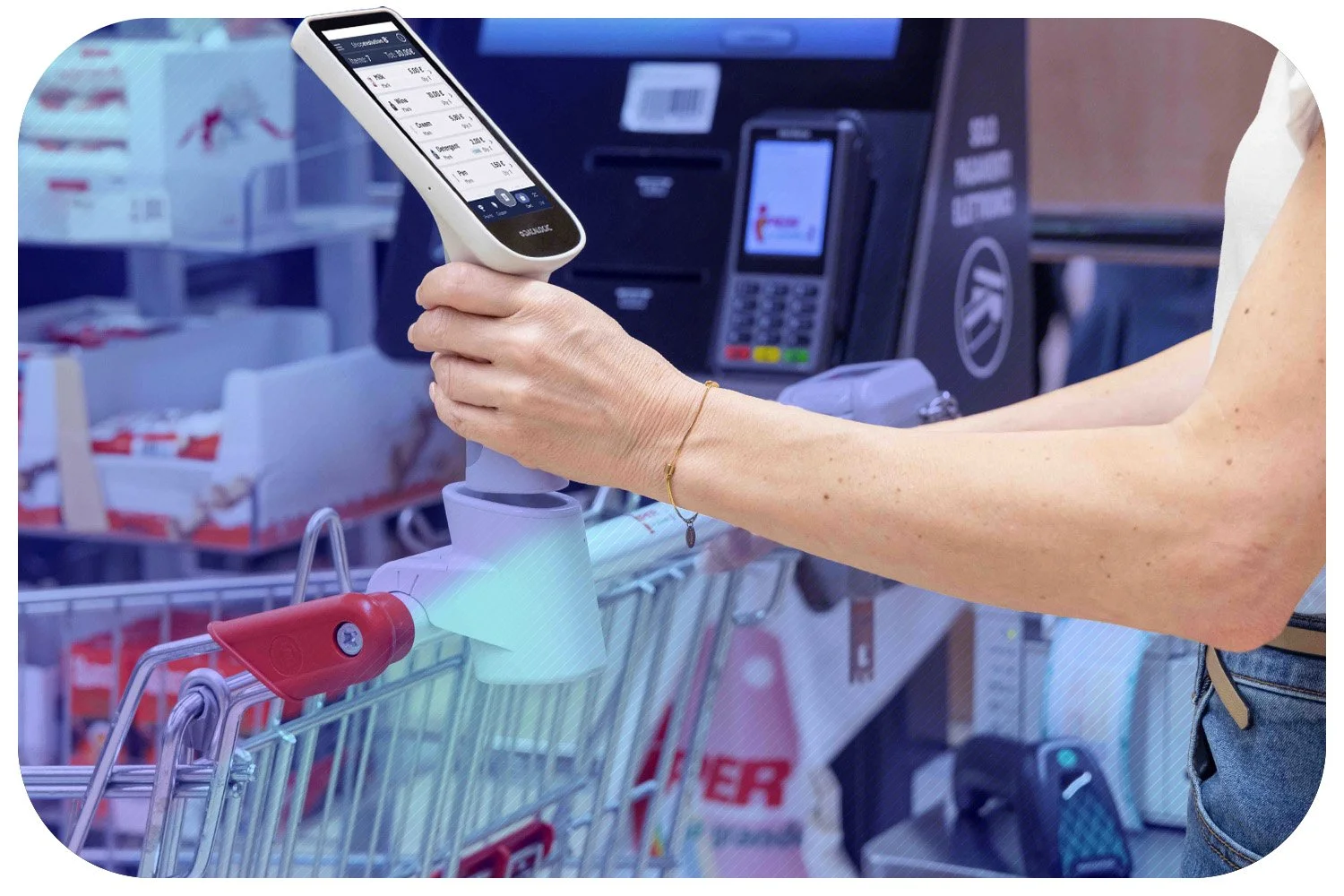
Self-scanning devices, whether dedicated handheld scanners or smartphone-based solutions, offer another way to communicate digitally with shoppers. While not traditionally classified as digital signage, they can fulfil many of the same functions, with one important difference: the information can be personalised.
Rather than displaying the same promotion to everyone passing a particular screen, self-scanning can provide information based on the shopper's current basket, preferences or location in the store. For example, a shopper scanning a product could immediately see a relevant bundle offer, additional product information or confirmation that a discount has been applied.
As self-scanning technology continues to evolve, larger displays and more advanced software are creating new opportunities to make these interactions both useful and intuitive. And because the device is already part of the shopping process, retailers can provide assistance without introducing another screen competing for attention.
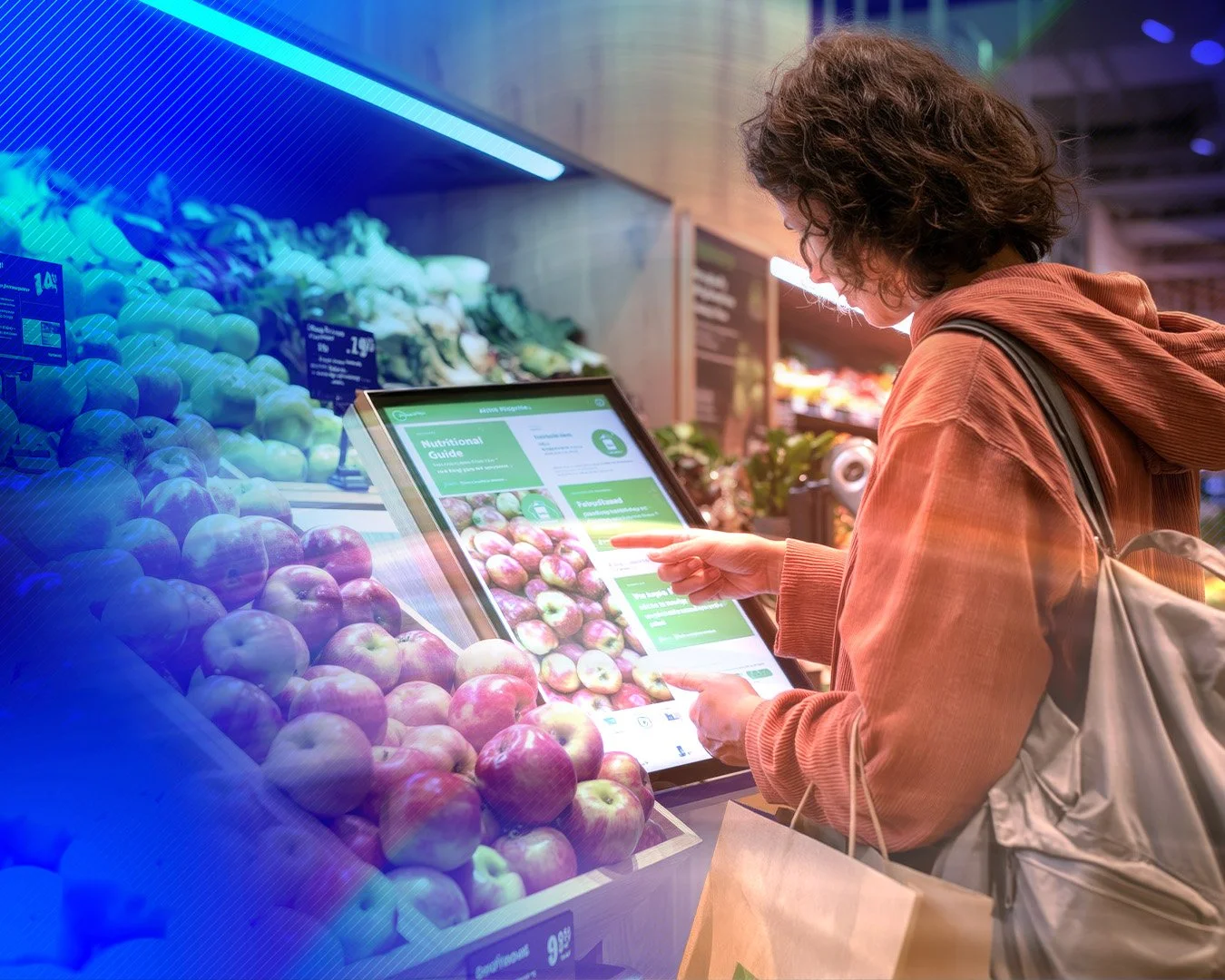
Typical uses for self-scanning screens: Displaying personalised offers, confirming bundle discounts, providing nutritional and product information, and offering relevant recommendations during the shopping journey.
Smartphones: Closing the retail loop
The modern shopping journey rarely begins or ends at the store entrance. Many shoppers already have an idea of what they want to buy before entering a store. They may have browsed promotions, checked product availability or prepared a shopping list. And after leaving, they might review their receipts, manage loyalty rewards or arrange a return online. This makes it increasingly important for retailers to connect the physical shopping experience with the digital world.
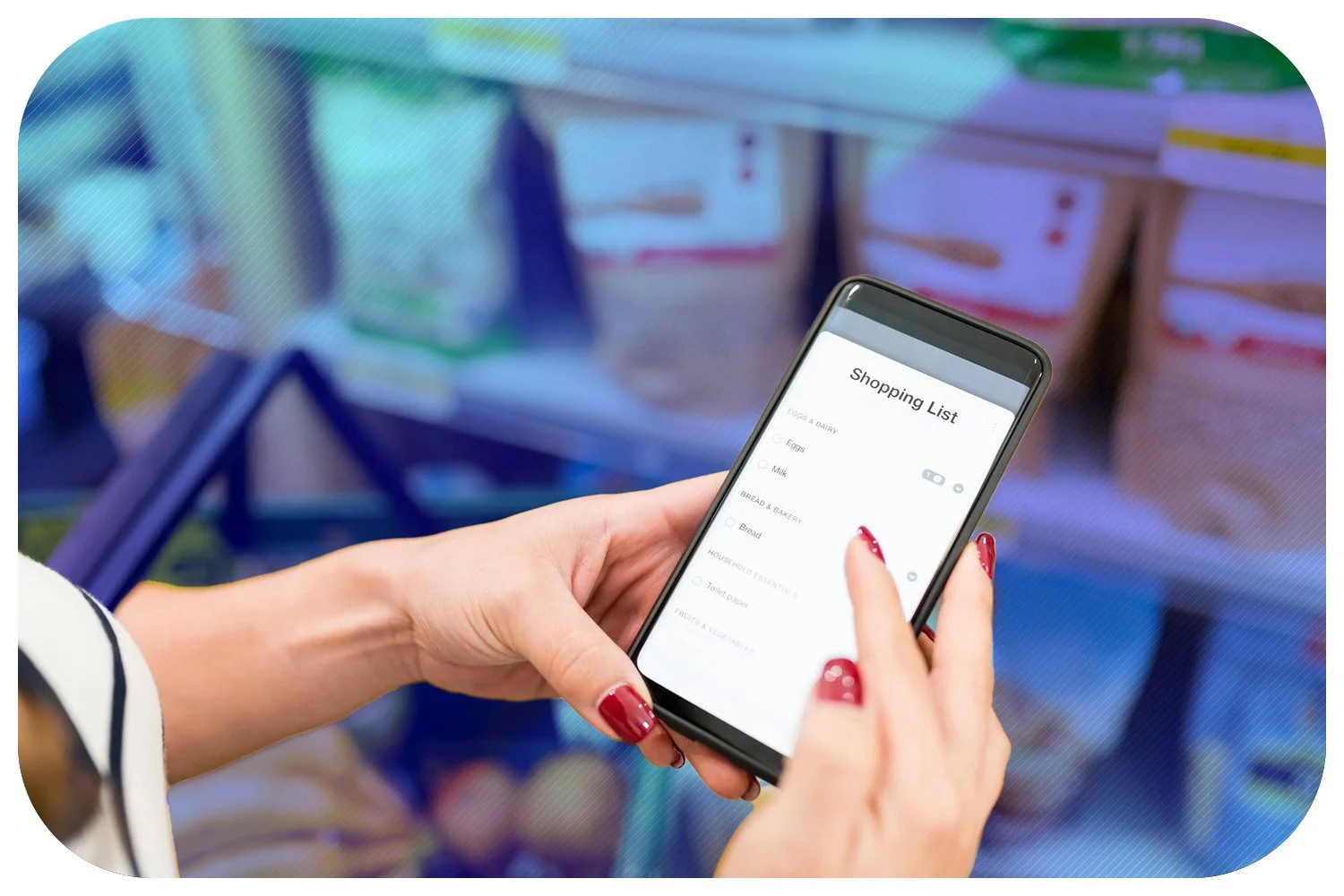
Smartphones play a central role in bridging that gap. Through retail apps and other digital services, shoppers can access information and features before, during and after their visit. Shopping lists created at home can be used in-store, loyalty offers can be accessed while shopping, and digital receipts can be reviewed afterwards.
The smartphone also creates opportunities for retailers to maintain a consistent experience across different touchpoints, rather than treating each interaction as a separate event.
Typical uses for smartphones: Creating shopping lists, checking loyalty points, accessing personalised offers and recommendations, reviewing digital receipts and managing returns. Together, these features help create a more connected shopping journey, where the transition between digital and physical retail feels natural.
Bigger is not always better
Large digital screens certainly have their place in modern retail. They can inspire, attract attention and communicate important messages to a wide audience. But as we've explored, there are clear advantages to using a thoughtful mix of screen sizes and technologies throughout the store.
Large screens can create awareness and inspiration. Mid-sized displays can provide practical assistance. Shelf-level displays can deliver information at the point of purchase. And self-scanning devices can offer personalised support based on the individual shopper's needs. Smartphones can then connect these experiences beyond the physical store.
The opportunity isn't simply to display more content, but to make every interaction more relevant. Sometimes, digital signage isn’t even the right solution to implement. Because ultimately, shoppers don't visit a store to experience its technology. They visit to find the products they need, discover something new and complete their shopping as conveniently as possible. Technology should support that experience, not distract from it.
The smartest store may not be the one with the most screens. It may be the one where every screen has a clear purpose.