
How AR, Digital Twins and Computer Vision are transforming retail
Imagine walking into a store, finding a piece of clothing you like and trying it on, without actually putting it on.
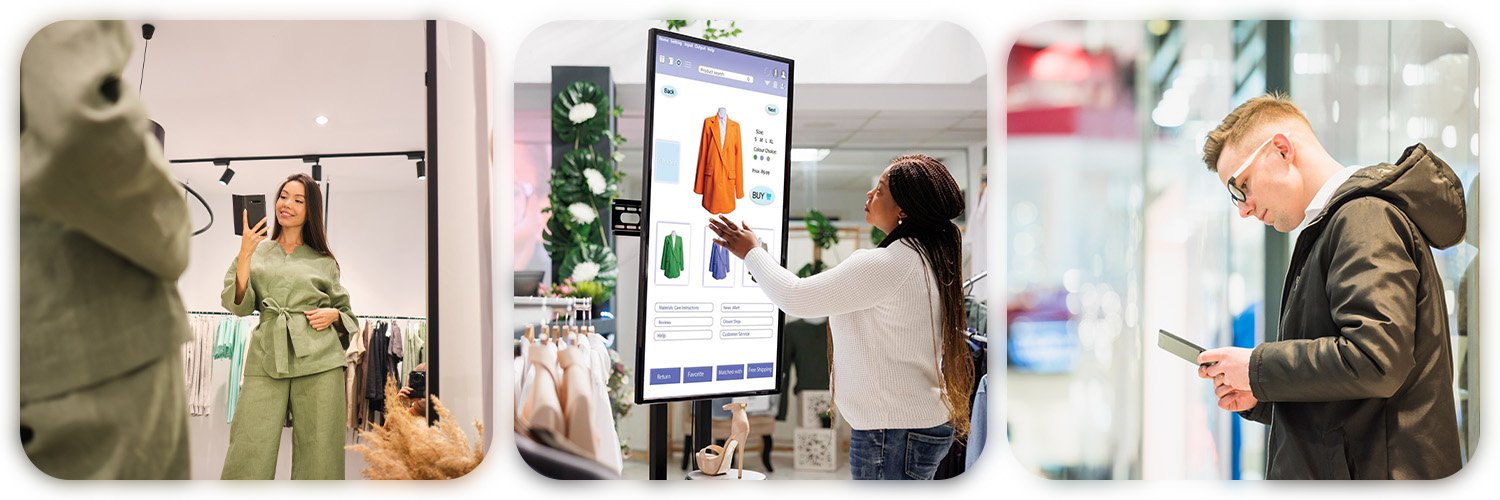
This is becoming a reality for shoppers in the UK, where Tesco's new F&F pilot at Sandhurst Extra allows customers to take or upload a photo and virtually try on around 1,500 womenswear and menswear products, or see the products on a digital model.
It is one example of a much bigger development taking place in retail. The line between the digital and physical shopping experience is becoming increasingly blurred. For years, retailers have focused on bringing elements of the physical shopping experience online. Today, we are increasingly seeing the opposite: digital capabilities are finding their way into physical stores.
The purpose is not to replace the physical store. Instead, technology can add new capabilities to it, making the shopping journey smarter, more convenient and more connected, ideally without introducing additional friction.
Tesco's virtual fitting room is a good example. Customers are given another way to evaluate an item before making a purchase, potentially saving time while still addressing the same fundamental question: Will this look good on me? But virtual try-on is only one example of what happens when the digital and physical worlds begin to merge.
Augmented reality: adding a digital layer to the physical world
Augmented reality (AR) is not a new technology, but it has become considerably more accessible in recent years. Today, AR can be found across industries ranging from architecture and gaming to manufacturing and retail.
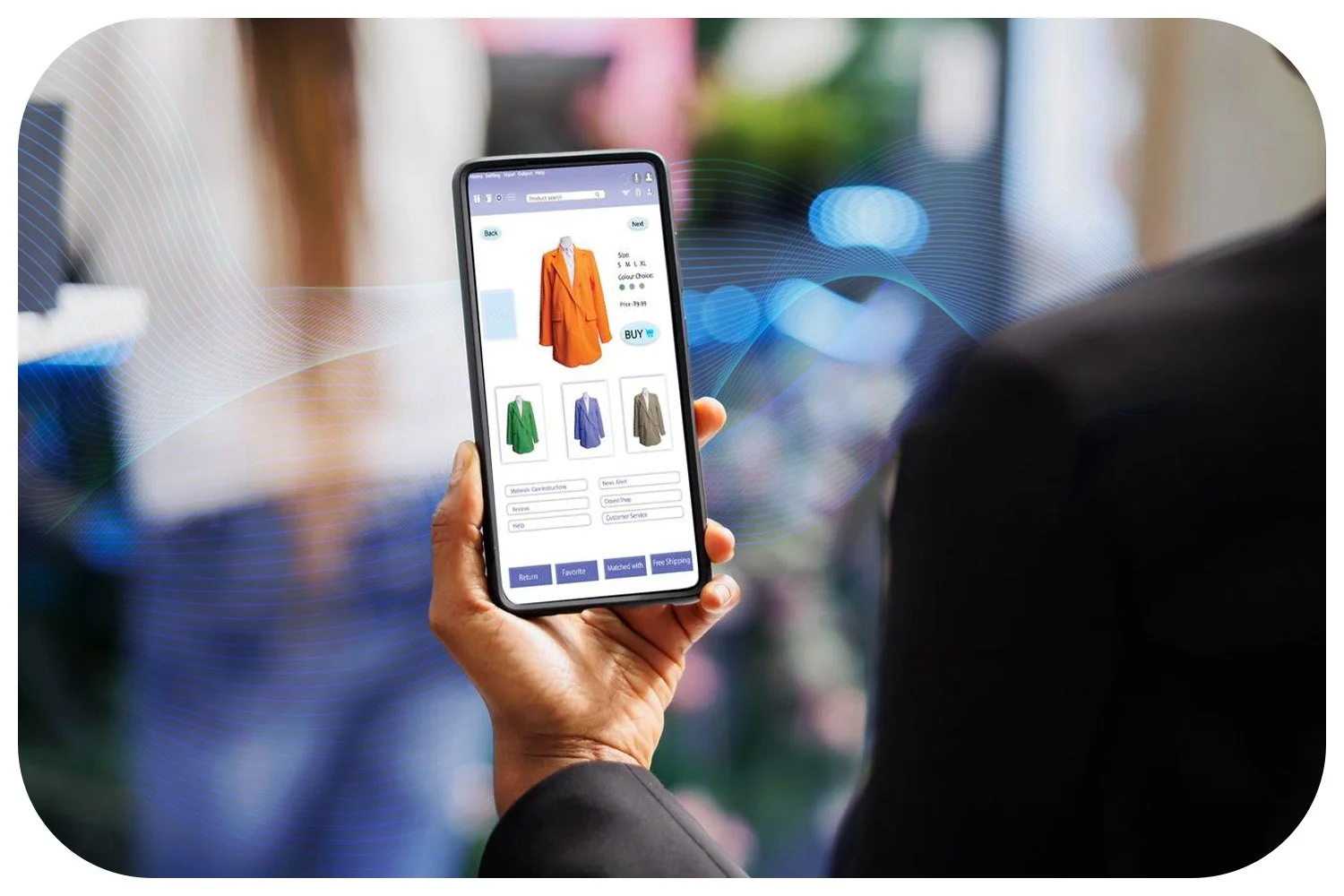
For retailers, its potential lies in adding information or experiences to something that is already physically in front of the customer.
A shopper might point a phone at a product to access additional information, use an AR mirror to see different colours or styles, or visualize a piece of furniture in their home before buying it.
The physical product remains at the centre of the experience, but the digital layer provides information or possibilities that the physical environment alone cannot. And while AR brings digital elements into the physical world, another technology takes almost the opposite approach: bringing the physical store into the digital world.
Digital twins: creating a digital counterpart of the store
Imagine a digital version of a store where every shelf, fixture and product has a corresponding virtual representation, and where changes in the physical environment can be reflected digitally. This is where the concept of a digital twin becomes interesting.
A digital twin can be described as a data-connected virtual representation of a physical environment, object or process. In retail, this could mean creating a digital counterpart of a store that retailers can use to understand, simulate and optimize what happens in the physical location.
Internally, retailers could use digital twins to test store layouts, improve product placement, plan operations or identify inefficiencies before making changes to the physical store.
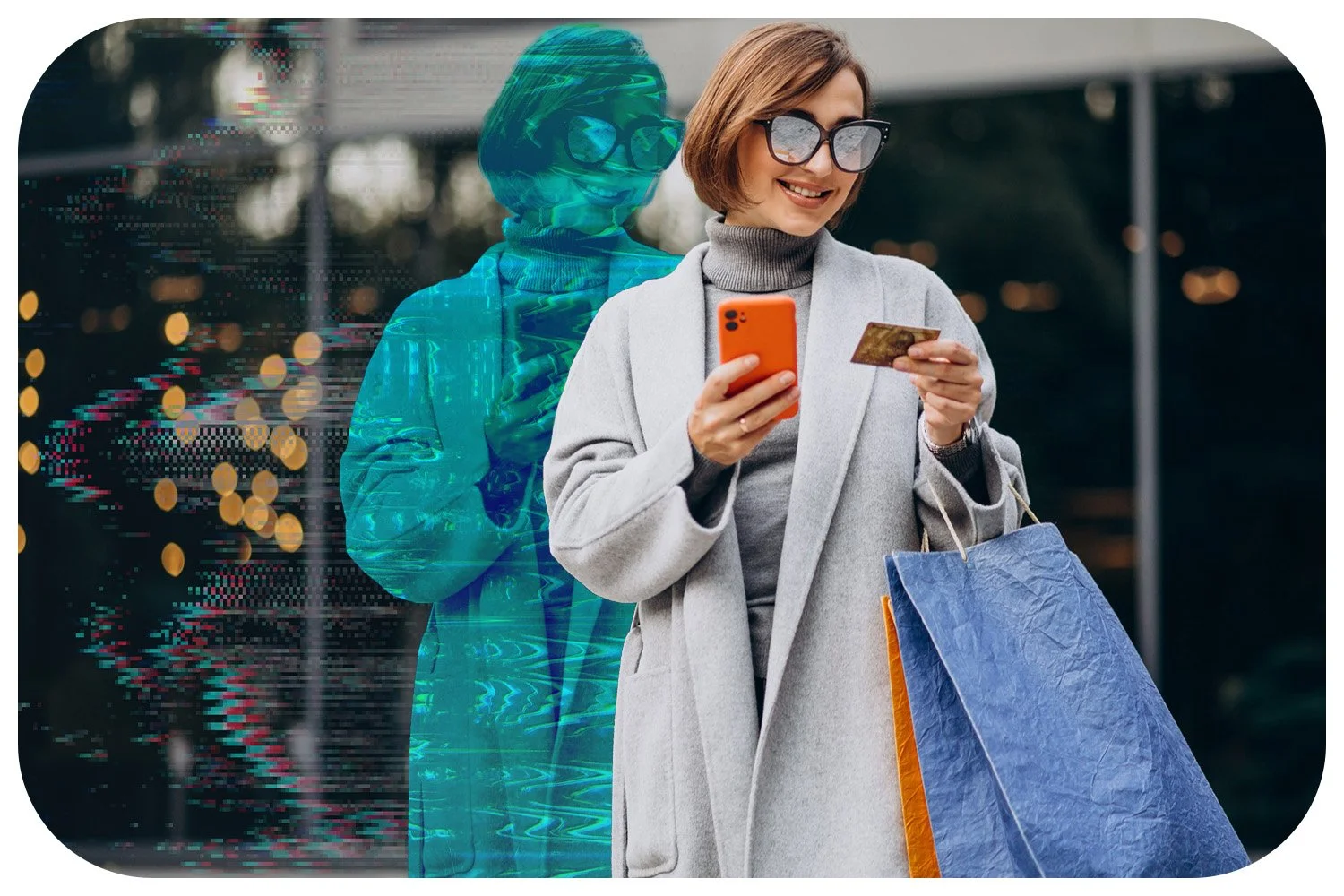
But the same digital representation can also create customer-facing opportunities. Combined with real-time information about products and inventory, it could help customers locate products, calculate an efficient route through the store based on a shopping list, or provide relevant information depending on where the customer is.
For that digital counterpart to remain useful, however, it needs information from the physical world. The store needs a way to understand what is happening on its shelves, in its aisles and around its products.
That is where technologies such as computer vision come into the picture.
Computer vision: creating the connection between physical and digital
Computer vision gives digital systems the ability to interpret what is happening in a physical environment.
In a retail store, cameras combined with computer vision can, for example, help identify empty shelves, understand customer movement, detect queues or provide information about how customers interact with different areas of the store. Combined with technologies such as RFID and other sensors, this creates a flow of information between the physical store and its digital counterpart.
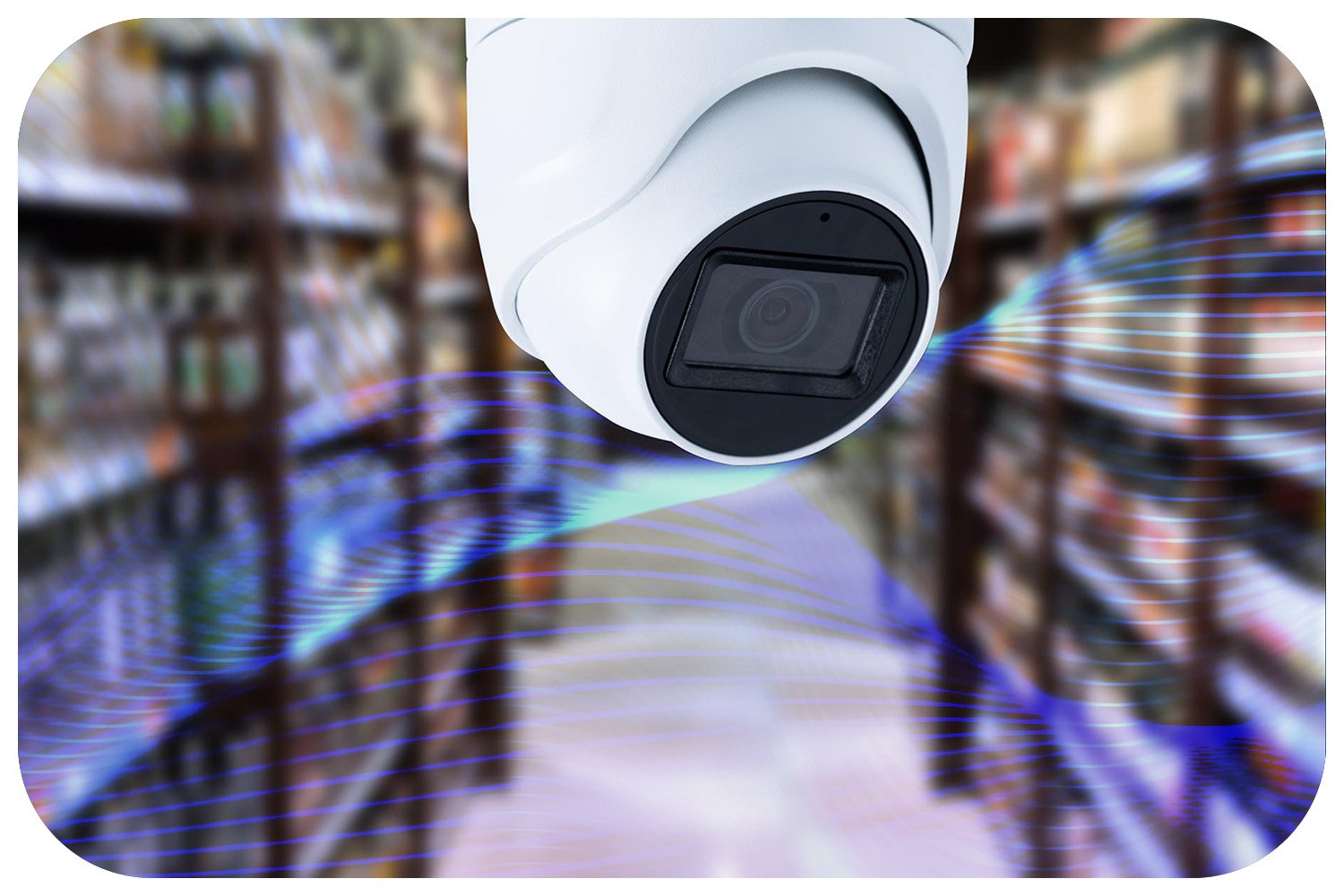
And this is where the technologies begin to become more interesting together than individually: AR can bring digital information into the customer's physical environment. Digital twins can create a virtual representation of the store. Computer vision and sensors can help keep that digital representation connected to what is actually happening.
Together, these technologies point towards a store that is no longer simply a physical place with a few digital tools added to it. Instead, the physical and digital store increasingly become two parts of the same retail environment.
A connected and personalized customer journey
When the physical and digital store become connected, the possibilities extend beyond individual technologies. Retailers can begin to create a more continuous customer journey – one where the experience does not start when a customer enters the store and end when they leave.
Today, customers regularly move between digital and physical channels. They might research a product online, add it to a shopping list, visit a store to see it in person and later complete the purchase online. However, these interactions can still feel like separate experiences. Connecting the digital and physical store creates an opportunity to bring them together.
Imagine, for example, creating a shopping list in a retailer's app before visiting the store. Once there, the app could guide you along the most efficient route to find your products. If an item is unavailable, it could suggest an alternative. It might also alert you that a product you previously viewed online is available nearby, or provide additional information based on the products you are currently looking at.
This also creates opportunities for greater personalization. Rather than providing every customer with the same in-store experience, retailers could – with the customer's permission – use information such as previous purchases, preferences and shopping lists to make the physical shopping journey more relevant to the individual.
The result is not necessarily a store filled with screens, virtual experiences and visible technology. In fact, some of the most valuable technology may barely be noticed by the customer. The real value comes when the different elements work together to remove friction and make moving between online and physical retail feel like one continuous experience.
Bringing the two worlds together
Tesco's virtual fitting room might seem like a relatively small addition to the shopping experience, but it represents a much broader development in retail.
Augmented reality can add a digital layer to the physical environment.
Digital twins can create a virtual representation of that environment.
Computer vision and sensors can connect what happens in the physical store with digital systems.
And when these capabilities work together, retailers can create shopping experiences that are increasingly connected and personalized.
The physical store is therefore not disappearing. Instead, its role is evolving.
The store of the future may still have shelves, fitting rooms, shopping carts and employees. What changes is the digital layer surrounding them – connecting customers, products and the physical environment in ways that were previously mostly associated with ecommerce.
Ultimately, the opportunity is not about making physical retail more digital simply because the technology exists. It is about using digital capabilities where they genuinely make shopping easier, more relevant and more seamless for the customer.
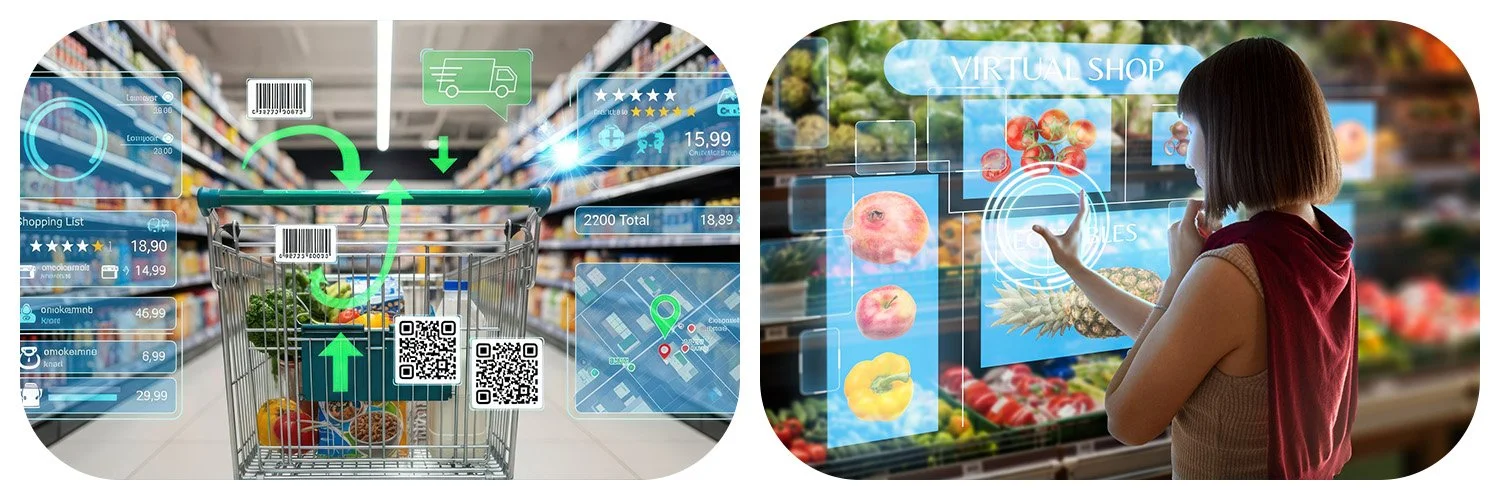
The virtual fitting room might seem like a relatively small addition to the shopping experience. But it represents something much bigger. As technologies such as augmented reality, digital twins and computer vision become more accessible, the distinction between physical and digital retail will continue to fade.
The store of the future may still look very much like the store of today. The difference is that behind the shelves, fitting rooms and products sits a digital layer that connects the physical environment with data, technology and the customer.
And perhaps that is where the real opportunity lies: not in making physical retail more digital for the sake of it, but in using technology to make the entire customer journey more connected, relevant and seamless.