Omnichannel strategy: Taking retail to the next level
Retailers and shoppers agree: one channel is not enough. As new digital platforms continue to emerge, expectations are rising for both physical stores and their digital counterparts. Rather than relying on a single dominant channel, shoppers want to use both — and to move seamlessly between them without glitches or disruptions.
For retailers, this new reality brings both challenges and opportunities. Integrating multiple channels can be complex, but the potential benefits are even greater. Let’s take a closer look at the omnichannel retail experience.
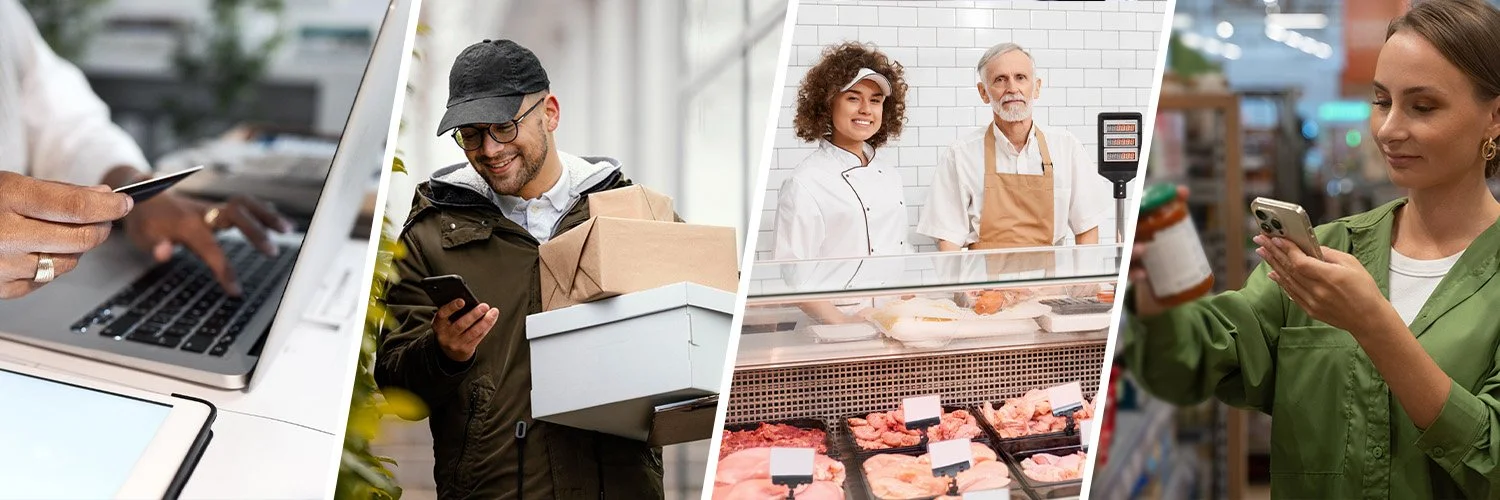
This is omnichannel retail
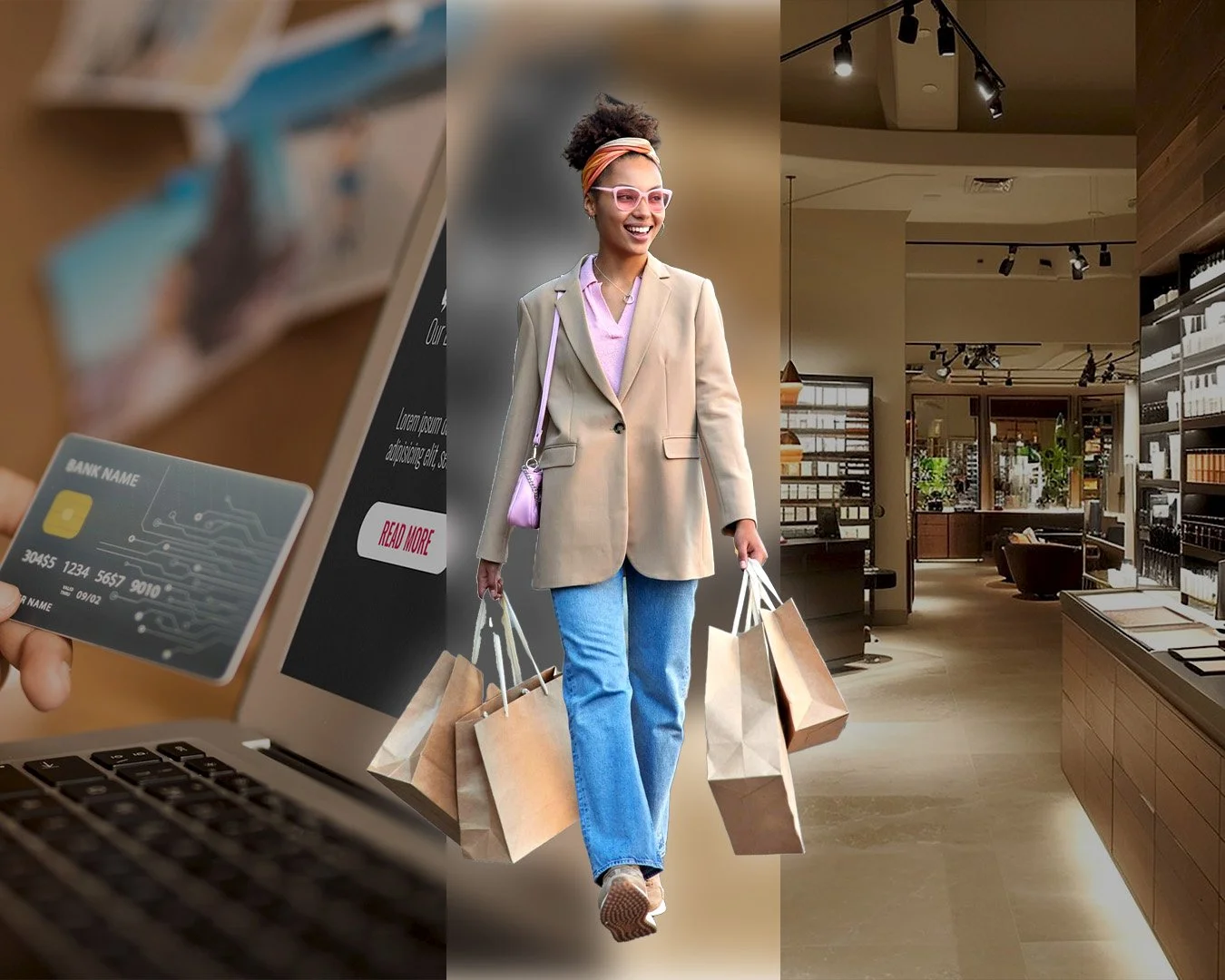
Omnichannel retail — sometimes referred to as “bricks and clicks” — involves integrating online and offline presences to create a more complete retail experience. With an omnichannel strategy, multiple channels are used for sales and marketing, giving retailers deeper customer insights and providing shoppers with a smoother purchasing journey — whether it begins online or in a physical store.
Omnichannel strategies have gained popularity for several reasons, including:
Emerging technologies that make it easier to review, compare, and purchase items online
More advanced CRM systems capable of processing large volumes of customer data
A growing desire among shoppers to engage with both digital platforms and brick-and-mortar stores
Increased competition among retailers to deliver a more personalized shopping experience
Omnichannel strategy has proven to be more than just a buzzword, with retailers worldwide striving to deliver the ultimate shopping experience. Still, some sceptics ask, “Why isn’t one channel enough?” Below, we explore some of the pros and cons of digital and physical stores.
A website is great – but sometimes shoppers need more
There are many reasons why consumers choose to shop online. It can be a convenient and time-saving way to purchase essentials without spending too much time or effort. According to SOTI’s report, half of the respondents say they shop online to avoid travelling or large crowds — both valid reasons to stay home. Furthermore, comparing prices across different retailers offering similar products is often easier and more accessible online.
Visiting a physical store may not always be the most appealing option. However, there are situations where a retailer’s website is not enough. For example:
When the customer wants to try a product
When the customer wants to speak with a staff member about a product
When the customer is uncertain about a product’s features
Although most modern product information systems can display a wide range of data and detailed product descriptions, there are still instances where a visit to a physical store is the preferred choice.
The brick-and-mortar store is alive and well
In today’s digital landscape, some claim that physical stores no longer play a role in most customers’ shopping experiences. However, this is not the case. New behaviours such as showrooming and webrooming shows that brick-and-mortar stores can play a vital role in the overall customer experience — even for younger, digitally native generations.
Members of Generation Z are said to value physical stores when making purchases, however they also have high expectations for their in-store visits. The recent report from SOTI shows that 69% of all respondents prefer to visit a store to see, touch, and try products before buying them. Furthermore, more than a third of respondents appreciate the in-store environment, where they can shop together with friends and interact with staff.
The key concept here is frictionless shopping. There must be a seamless transition between digital and physical stores, ideally supported by integrated features and useful tools that ensure a smooth shopping journey — regardless of where it begins or ends.
Tools to facilitate omnichannel retail
One of the main benefits of a successful omnichannel shopping journey is the sense of a seamless transition between digital and physical interactions with a retailer. However, from the retailer’s perspective, achieving this experience requires careful planning. Many factors must be considered — from managing information flows to selecting the right technical solutions — in order to deliver a truly frictionless customer experience.
Retail data capture
One of the fundamental aspects of omnichannel retail is data capture — the process through which retailers collect relevant customer data, regardless of whether the interaction takes place through a digital or physical touchpoint. This enables retailers to develop a better understanding of who the shopper is and allows them to provide tailored recommendations and offerings throughout the shopping journey.
With effective data capture, retailers can gain insights into factors such as purchase incentives during the decision-making process, product sales cycles, and customer flow — both online and in-store. In return, shoppers benefit from personalized recommendations, tailored discounts, and a retail experience that adapts to their specific behaviour and preferences.
Integrations and shared features
Customer data and other relevant information can only be effectively collected and utilized when the necessary integrations are in place. This requires seamless connectivity between systems such as the website, e-commerce platform, CRM system, point-of-sale (POS) system, and other parts of the retailer’s IT infrastructure.
Integrating and sharing data across multiple systems can be complex — and for many retailers, it is one of the most challenging aspects of implementing an omnichannel strategy. The system architecture must not only collect and distribute data to the right departments, but also ensure that information is handled securely and protected from cyber threats. At the same time, the infrastructure should be scalable, allowing additional integrations, and growing volumes of customer data to be incorporated over time.
When these integrations are implemented successfully, however, the benefits can be significant. Shared data across platforms enables a range of helpful features and customer-focused functionality. Examples include click-and-collect services, real-time visibility of stock availability in physical stores, personalized recommendations across channels, and a smoother transition between online and in-store shopping experiences.
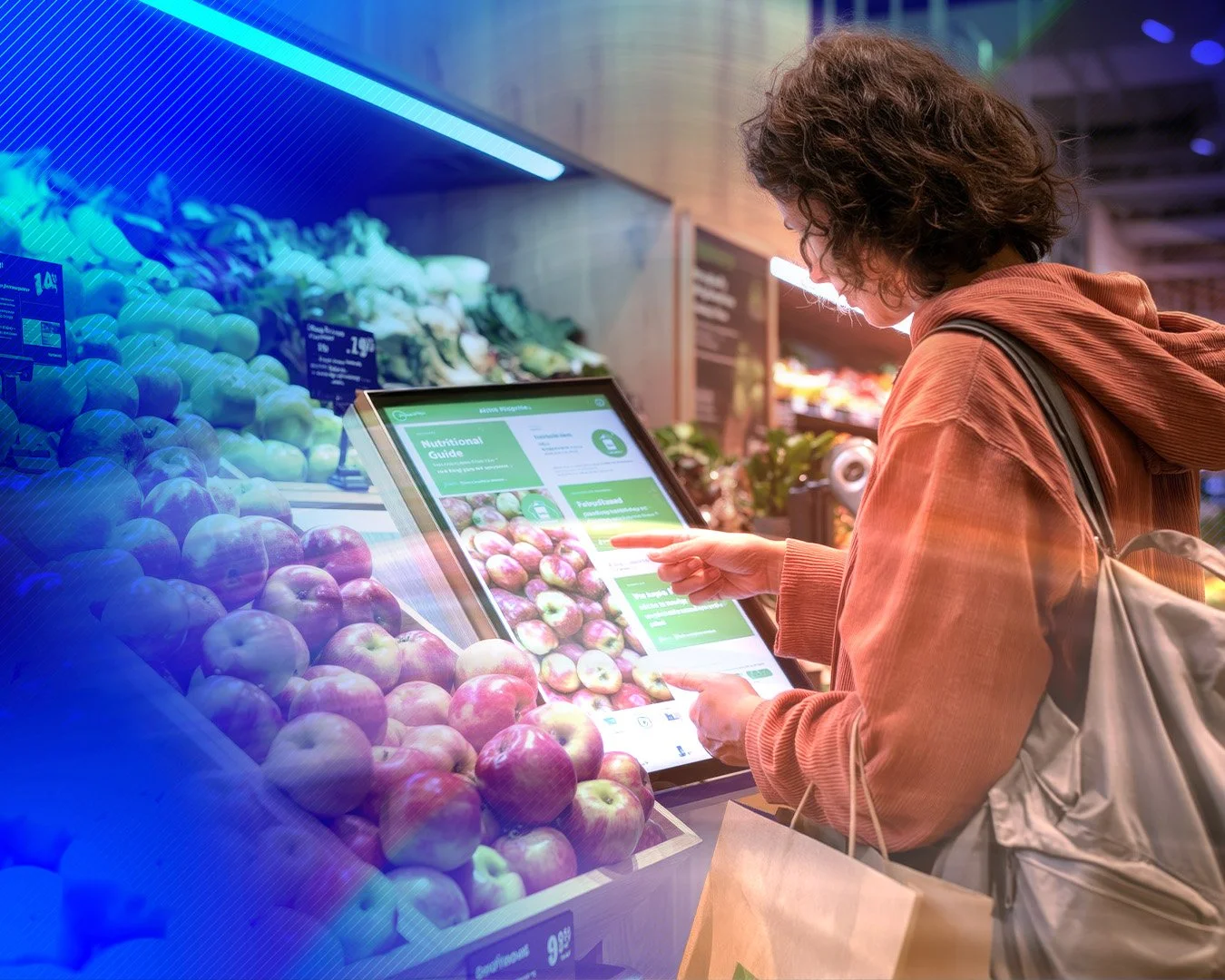
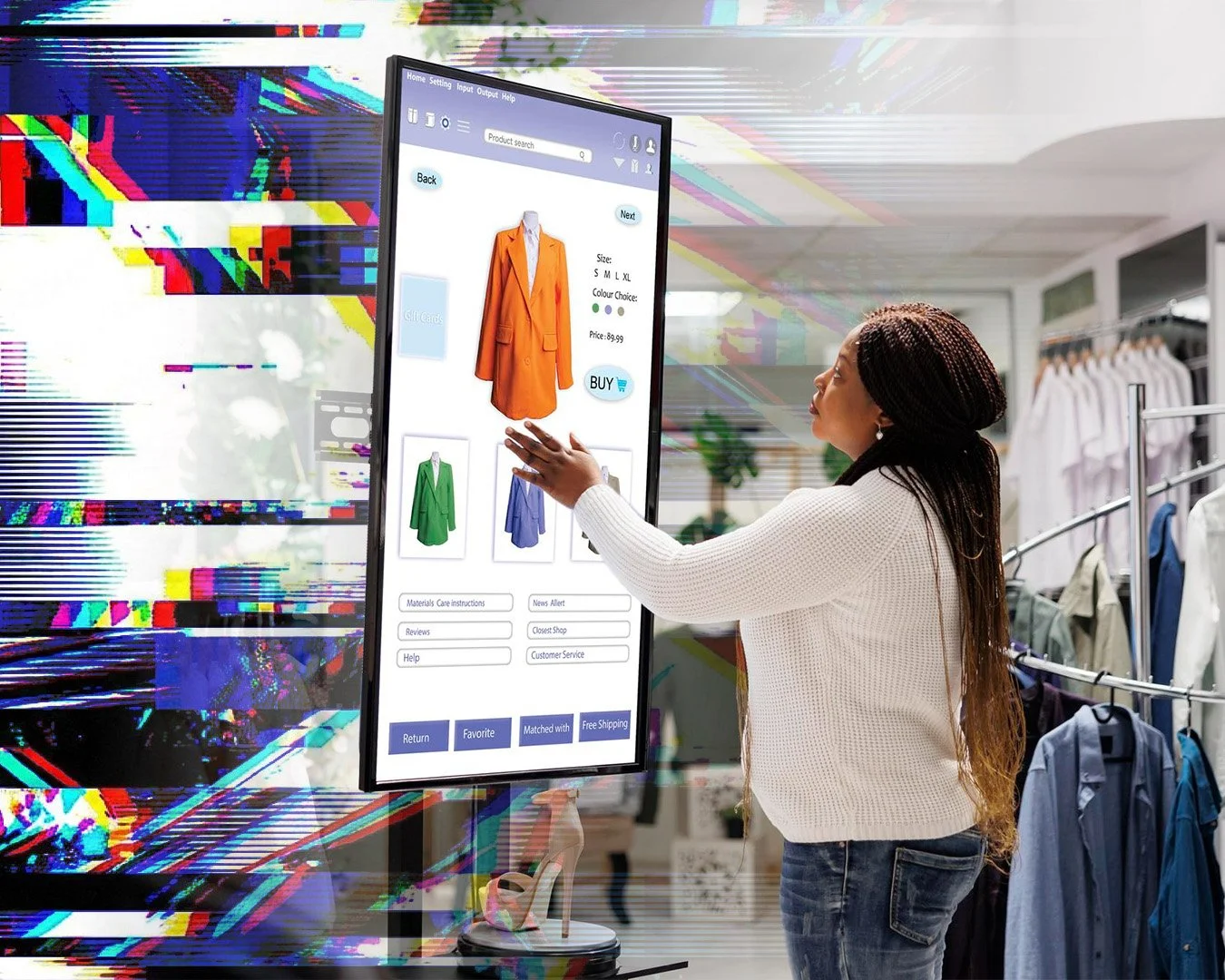
Self-service tools bridging the gap between digital and physical elements
By utilizing self-service solutions, retailers can offer tools that further enhance the omnichannel experience. These solutions provide access to many of the same features that shoppers encounter online, while also taking advantage of the benefits of in-store shopping. According to a recent report from SOTI, 45% of shoppers already use self-service checkouts, demonstrating how naturally these tools fit into the modern omnichannel retail environment.
As several self-service solutions are available, retailers need to determine which option best suits their store conditions and their customers’ preferences. Comparing alternatives such as self-checkout and self-scanning can help retailers identify which solution best complements the other channels within their omnichannel strategy.
Self-checkout allows shoppers to scan all their items themselves at a designated location in the store. Products are scanned at the end of the shopping trip, and payment is usually completed at the same time.
RFID checkout works in a similar way, but instead of scanning barcodes individually, items are identified through RFID tags. When the products are placed in a designated checkout area or basket, the system automatically registers them, enabling a faster and more seamless checkout process.
Self-scanning allows shoppers to scan items continuously throughout their shopping trip using a smartphone or a dedicated handheld device. Products are scanned and packed as the customer moves through the store, with payment completed at the end of the visit. For self-scanning solutions, newer barcode-related innovations such as GS1 Digital Link can further help bridge the gap between digital and physical retail. By enabling shoppers to access digital product information directly through barcodes, retailers can provide richer product details, promotions, and additional services during the in-store shopping journey — creating a more connected and informative retail experience.

More retail insights