Showrooming and webrooming: how they are shaping modern retail
It has never been easier for shoppers to compare and evaluate products, both online and in physical stores. With easy access to the internet, consumers can read product reviews, compare prices, and check stock availability within minutes. While e-commerce platforms provide extensive product information and imagery, brick-and-mortar stores offer the valuable in-store experience of touching, testing, and trying products before making a purchase.
However, this new shopping behaviour also presents challenges for retailers. When these factors are not properly addressed, retailers risk losing the sale. Concepts such as showrooming and webrooming have become increasingly common, as shoppers move between digital and physical channels several times throughout their purchasing journey.
What is showrooming?
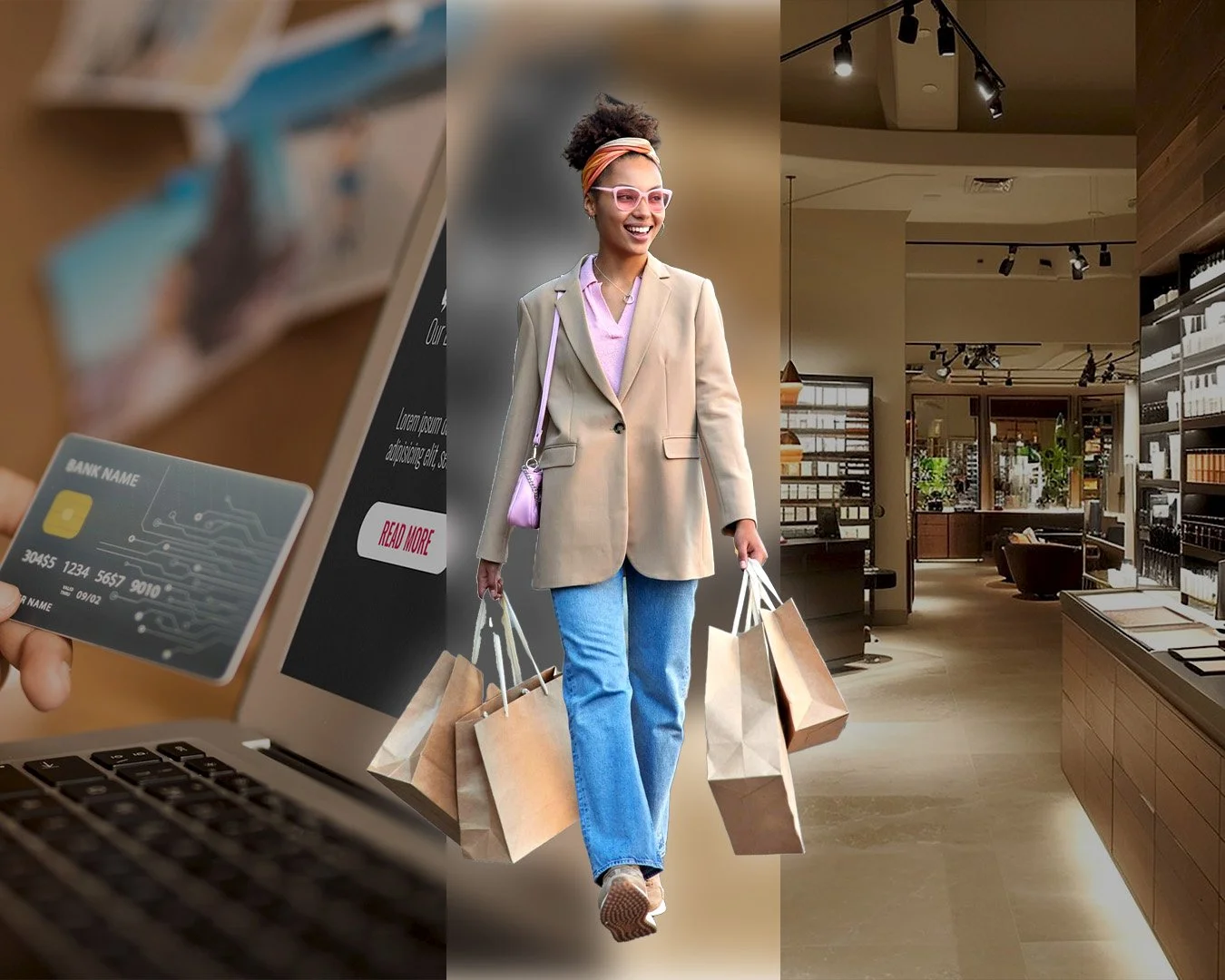
Showrooming refers to when an individual visits a physical store to try out a product before purchasing it online. These in-store visits allow shoppers to see, touch, and test the product. The motivation for purchasing online afterwards is primarily the possibility of finding a better price by comparing multiple online retailers.
Some product categories are more affected by this behaviour than others; for example, clothing, electronics, and furniture are often examined in-store before being purchased online.
With the increasing popularity of e-commerce and connected features such as price comparison services, showrooming has been on the rise for more than a decade. Retailers that may once have ignored its implications have come to recognize it as a highly relevant issue for their business.
The opposite of showrooming is webrooming.
What is webrooming?
Webrooming refers to when an individual researches a product online—for example, by reading reviews or checking stock availability—and then completes the purchase in a physical store. It is the opposite of showrooming, as the final transaction takes place in a brick-and-mortar location.
Some suggest that this behaviour is gaining popularity in regions such as Japan, where consumers invest significant time and effort in researching products online but still value the advantages of in-store purchases.
For shoppers, webrooming offers several benefits. Once they have decided on a product and confirmed its availability in-store, they can obtain it quickly. There is no need to pay for shipping, and the product can be acquired almost immediately after the purchase decision is made.
Showrooming vs webrooming: key differences
While both behaviours involve using multiple channels, the main difference lies in where the purchase happens:
Showrooming: research in-store, purchase online
Webrooming: research online, purchase in-store
Therefore, one can say that they are each other opposites. However, both behaviours highlight the importance of a seamless connection between digital and physical retail channels.
How can retailers tackle showrooming and webrooming?
Retailers who are unsure how to address showrooming and webrooming risk missing out on sales. Furthermore, there are additional benefits to developing a strategy that takes these behaviours into account, such as gaining valuable customer data.
Here are some key aspects to consider:
It is not always about price
While price is one of the primary drivers of showrooming—whether through perceived savings or expected price differences across online retailers—it is not the only factor influencing consumer behavior. A study shows that several non-price elements also play a significant role in determining whether a shopper completes a purchase in-store or online.
Time constraints, for instance, can encourage consumers to buy directly in-store. Shoppers may not have the time to search online for better deals, especially when considering additional factors such as delivery times or store pickup hours.
Moreover, the in-store experience itself can influence the decision. A higher number of staff members can provide a level of personalized service and immediate assistance that online alternatives, such as chatbots, often cannot match.
Personalization can boost customer loyalty
Personalization is one of the most effective ways to retain customers throughout the entire sales cycle. Tailored offers and rewards based on previous purchases can significantly influence decision-making in future buying situations.
However, delivering a fully individualized experience to every customer can be challenging—especially for retailers with large customer bases. In such cases, segmenting consumers can be a practical and effective alternative.
Different customer segments have distinct preferences, needs, and pain points. By identifying and understanding these differences, retailers can develop targeted strategies that address what motivates each segment to complete a purchase. This approach makes it easier to deliver a more personalized experience at scale while still maintaining relevance for the customer.
Embrace an omnichannel strategy
Ultimately, it may matter less where the customer completes their purchase, online or in-store, as long as it remains within the same retailer. An effective omnichannel strategy helps bridge the gap between digital and physical retail by creating a seamless and consistent shopping experience.
By rewarding customer loyalty and integrating channels, retailers can encourage shoppers to stay within their ecosystem throughout the entire journey. Features such as price transparency, click-and-collect options, and unified customer experiences play a key role in retaining customers and strengthening engagement across channels.
Furthermore, tools that help merge the digital and physical retail experience, such as self-service solutions like self-scanning, can provide an incentive for added customer loyalty.
To conclude, these emerging consumer behaviours are not necessarily negative for businesses. Both showrooming and webrooming offer advantages for retailers as well as shoppers.
For consumers, they enable more informed purchasing decisions. Beyond price comparisons, online reviews and detailed product information play an important role in shaping choices. In addition, the flexibility to either order online or purchase directly in-store provides a high level of convenience.
For retailers, these behaviours create more touchpoints for engaging with customers. When managed effectively, they also offer greater access to customer data and deeper insights into consumer preferences.
To stay competitive, retailers must ensure they provide a seamless experience across all touchpoints.
More retail insights